





Introduction
Artificial Intelligence is transforming how we create, test, and deliver digital design. What was once a manual, intuition-driven process is now supported by data, automation, and machine learning. For UI/UX designers and creative teams, AI isn’t replacing creativity—it’s amplifying it. At Artonest Design, we’ve seen firsthand how AI-powered tools help designers move faster, make smarter design decisions, and deliver exceptional user experiences.
The Rise of AI in Digital Design
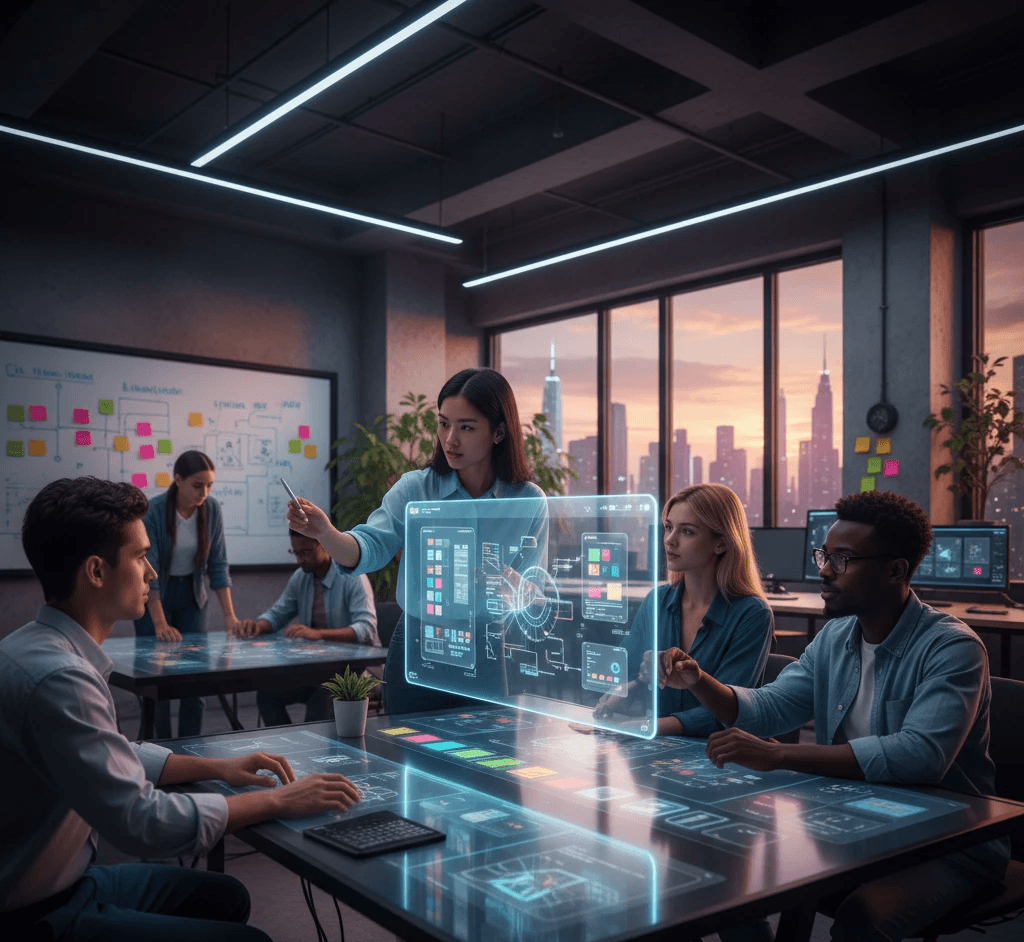
A few years ago, design tools were mostly static. Designers had to rely entirely on skill and manual testing. Today, platforms like Figma, Adobe Sensei, and Uizard use AI to automate repetitive work—resizing layouts, generating color palettes, or suggesting typography combinations.
This shift allows designers to focus on the bigger picture: storytelling, usability, and emotional connection. AI design tools are making creative workflows more efficient and accessible, helping teams deliver quality faster.
Smarter Design Decisions Through Data
One of the biggest advantages of AI in digital design is data analysis. Traditional design feedback used to depend on user testing and intuition. Now, AI systems analyze heatmaps, click behavior, and engagement metrics to reveal what really works.
Machine learning can identify which layouts attract attention or which button color improves conversions. This means designs can evolve based on facts, not guesswork.
At Artonest Design, we use data-driven insights to refine every pixel, ensuring every project connects with its audience.
Personalized User Experiences
AI has changed how we think about personalization. Instead of one-size-fits-all designs, digital platforms can adapt dynamically to each user’s behavior and preferences.
For instance, AI can recommend product layouts, suggest design elements, or even alter the interface based on a user’s habits. Think of Netflix’s thumbnails or Spotify’s playlists—each tailored to a unique audience segment.
For UI/UX teams, personalization means deeper engagement and stronger brand loyalty.
Automating Routine Design Tasks
AI doesn’t just assist—it handles the repetitive side of creative work. Designers can automate resizing images, formatting layouts, creating component variations, and generating mockups.
Tools like Canva Magic Design and Adobe Firefly now generate complete design drafts from a text prompt. This lets designers test multiple visual directions in minutes rather than hours.
Automation frees up more time for innovation and experimentation. It’s not about replacing human creativity—it’s about enhancing it.
Bridging the Gap Between Designers and Developers
Communication between designers and developers has always been a challenge. AI is closing that gap with tools that automatically translate design elements into clean, usable code.
Platforms like Framer AI or Anima can turn UI designs into responsive HTML or React components instantly. This bridges creative vision and technical execution, cutting development time significantly.
At Artonest Design, we combine AI-assisted design with expert development to ensure what’s imagined in Figma looks just as good in the browser.
The Role of AI in UX Research
User research is vital but time-consuming. AI tools can now analyze vast amounts of feedback, identify trends, and even simulate user behavior.
Natural Language Processing (NLP) helps categorize user comments, while predictive analytics forecasts future behavior. Instead of weeks of manual analysis, designers can uncover insights in hours.
This shift makes UX research faster and more precise—helping teams focus on what users truly need.
AI and Creativity: Working Together, Not Against
There’s a common fear that AI might make human designers obsolete. The truth is the opposite. AI provides inspiration, not imitation. It generates options and data—but it’s still up to designers to decide what fits the brand story and emotion.
Creative direction, intuition, and empathy remain human strengths. AI simply gives designers better tools to explore possibilities
.
At Artonest Design, we blend creativity and technology to produce digital experiences that feel human—even when powered by AI.
Designing for the AI Era
The future of design is not about mastering one tool it’s about mastering adaptability. AI will continue to evolve, offering predictive layouts, automated branding, and intelligent testing.
Designers must focus on strategy and empathy skills AI can’t replicate. Understanding users, emotions, and storytelling will define the next generation of digital products.
For agencies like Artonest Design, that means building a culture where creativity and AI coexist seamlessly.
Challenges and Ethical Considerations
As AI becomes integral to design, ethical use matters. Designers must ensure that algorithms don’t reinforce bias or harm inclusivity. Transparency, accessibility, and privacy are essential parts of responsible AI design.
This means testing AI-generated content carefully and maintaining human oversight in every decision. The goal is to enhance user experience, not manipulate it.
The Future Is Already Here
AI is no longer a futuristic concept—it’s shaping how we design today. From faster workflows to smarter insights, AI gives designers superpowers they never had before.
For brands and creators, embracing AI is no longer optional. It’s the key to staying competitive in a world where digital experiences evolve daily.
At Artonest Design, we help businesses integrate AI-powered design and development to stay ahead of the curve. Our focus is simple: creativity meets intelligence, delivering design that works beautifully and performs flawlessly.
The Rise of AI in Digital Design
A few years ago, design tools were mostly static. Designers had to rely entirely on skill and manual testing. Today, platforms like Figma, Adobe Sensei, and Uizard use AI to automate repetitive work—resizing layouts, generating color palettes, or suggesting typography combinations.
This shift allows designers to focus on the bigger picture: storytelling, usability, and emotional connection. AI design tools are making creative workflows more efficient and accessible, helping teams deliver quality faster.
Smarter Design Decisions Through Data
One of the biggest advantages of AI in digital design is data analysis. Traditional design feedback used to depend on user testing and intuition. Now, AI systems analyze heatmaps, click behavior, and engagement metrics to reveal what really works.
Machine learning can identify which layouts attract attention or which button color improves conversions. This means designs can evolve based on facts, not guesswork.
At Artonest Design, we use data-driven insights to refine every pixel, ensuring every project connects with its audience.
Personalized User Experiences
AI has changed how we think about personalization. Instead of one-size-fits-all designs, digital platforms can adapt dynamically to each user’s behavior and preferences.
For instance, AI can recommend product layouts, suggest design elements, or even alter the interface based on a user’s habits. Think of Netflix’s thumbnails or Spotify’s playlists—each tailored to a unique audience segment.
For UI/UX teams, personalization means deeper engagement and stronger brand loyalty.
Automating Routine Design Tasks
AI doesn’t just assist—it handles the repetitive side of creative work. Designers can automate resizing images, formatting layouts, creating component variations, and generating mockups.
Tools like Canva Magic Design and Adobe Firefly now generate complete design drafts from a text prompt. This lets designers test multiple visual directions in minutes rather than hours.
Automation frees up more time for innovation and experimentation. It’s not about replacing human creativity—it’s about enhancing it.
Bridging the Gap Between Designers and Developers
Communication between designers and developers has always been a challenge. AI is closing that gap with tools that automatically translate design elements into clean, usable code.
Platforms like Framer AI or Anima can turn UI designs into responsive HTML or React components instantly. This bridges creative vision and technical execution, cutting development time significantly.
At Artonest Design, we combine AI-assisted design with expert development to ensure what’s imagined in Figma looks just as good in the browser.
The Role of AI in UX Research
User research is vital but time-consuming. AI tools can now analyze vast amounts of feedback, identify trends, and even simulate user behavior.
Natural Language Processing (NLP) helps categorize user comments, while predictive analytics forecasts future behavior. Instead of weeks of manual analysis, designers can uncover insights in hours.
This shift makes UX research faster and more precise—helping teams focus on what users truly need.
AI and Creativity: Working Together, Not Against
There’s a common fear that AI might make human designers obsolete. The truth is the opposite. AI provides inspiration, not imitation. It generates options and data—but it’s still up to designers to decide what fits the brand story and emotion.
Creative direction, intuition, and empathy remain human strengths. AI simply gives designers better tools to explore possibilities
.
At Artonest Design, we blend creativity and technology to produce digital experiences that feel human—even when powered by AI.
Designing for the AI Era
The future of design is not about mastering one tool it’s about mastering adaptability. AI will continue to evolve, offering predictive layouts, automated branding, and intelligent testing.
Designers must focus on strategy and empathy skills AI can’t replicate. Understanding users, emotions, and storytelling will define the next generation of digital products.
For agencies like Artonest Design, that means building a culture where creativity and AI coexist seamlessly.
Challenges and Ethical Considerations
As AI becomes integral to design, ethical use matters. Designers must ensure that algorithms don’t reinforce bias or harm inclusivity. Transparency, accessibility, and privacy are essential parts of responsible AI design.
This means testing AI-generated content carefully and maintaining human oversight in every decision. The goal is to enhance user experience, not manipulate it.
The Future Is Already Here
AI is no longer a futuristic concept—it’s shaping how we design today. From faster workflows to smarter insights, AI gives designers superpowers they never had before.
For brands and creators, embracing AI is no longer optional. It’s the key to staying competitive in a world where digital experiences evolve daily.
At Artonest Design, we help businesses integrate AI-powered design and development to stay ahead of the curve. Our focus is simple: creativity meets intelligence, delivering design that works beautifully and performs flawlessly.
Recent Blog
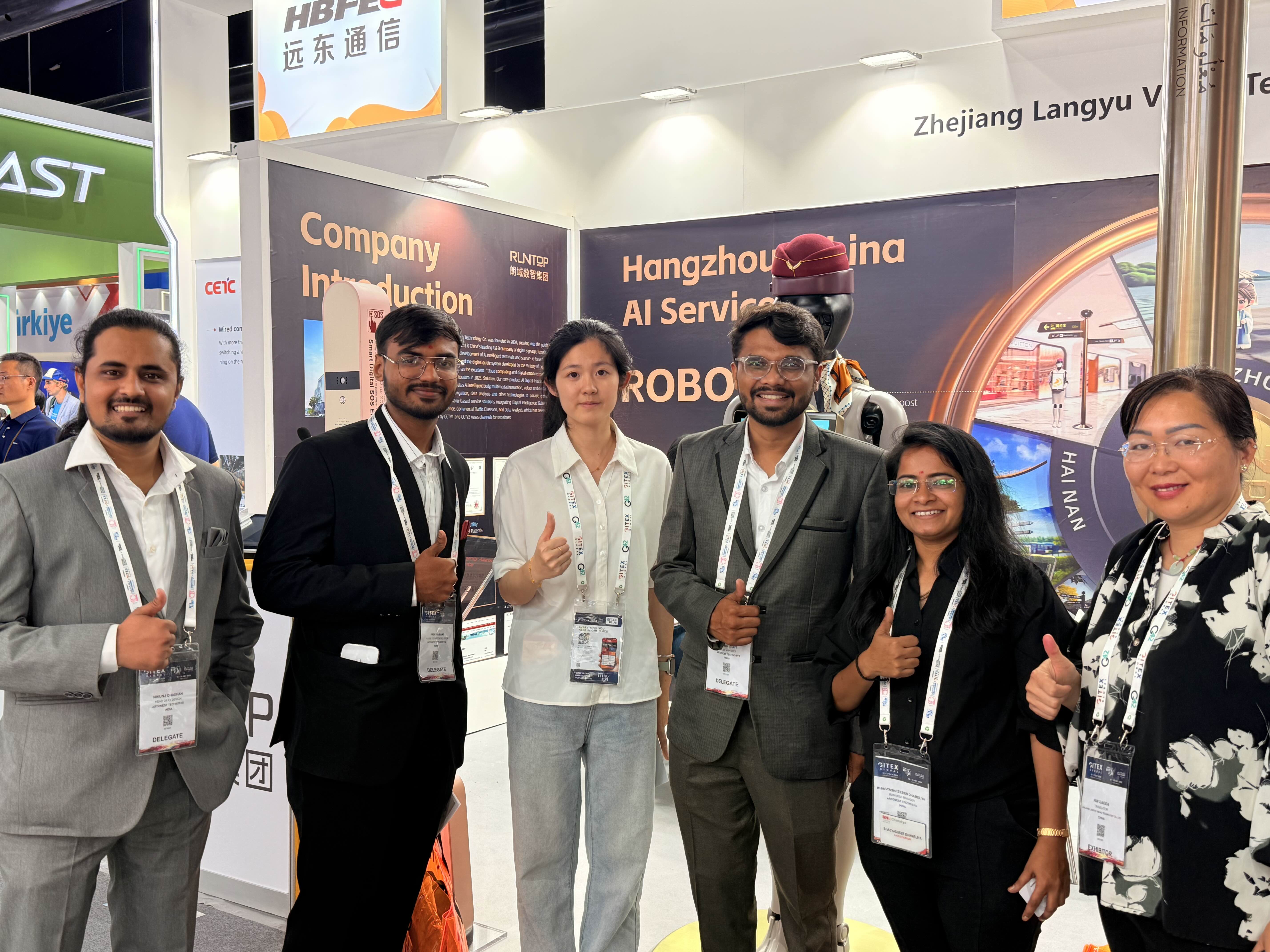
Artonest Team Experience at GITEX Global 2025
Artonest Design proudly joins GITEX Global 2025 — one of the world’s largest technology events in Dubai. Discover how the Artonest team showcased creativity, innovation, and digital design excellence on the global stage.
Artonest Team Experience at GITEX Global 2025
Artonest Design proudly joins GITEX Global 2025 — one of the world’s largest technology events in Dubai. Discover how the Artonest team showcased creativity, innovation, and digital design excellence on the global stage.
Artonest Team Experience at GITEX Global 2025
Artonest Design proudly joins GITEX Global 2025 — one of the world’s largest technology events in Dubai. Discover how the Artonest team showcased creativity, innovation, and digital design excellence on the global stage.
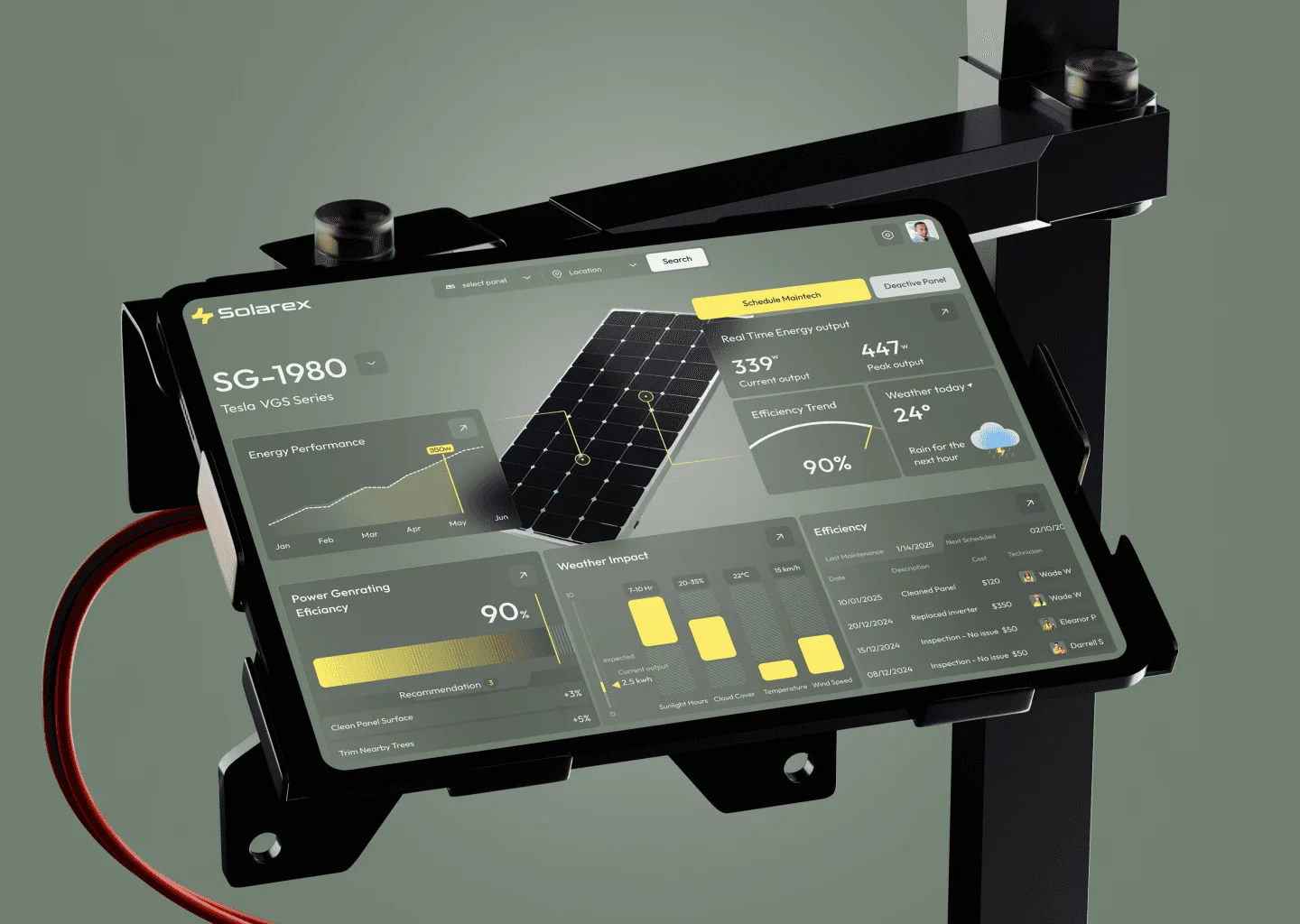
Designing Next-Gen Solar Energy Platforms for SaaS
Discover how smart UI/UX and modern development shape the future of solar energy platforms. This blog explores how intuitive design and advanced technology help create powerful digital tools for monitoring, managing, and optimizing solar energy systems.
Designing Next-Gen Solar Energy Platforms for SaaS
Discover how smart UI/UX and modern development shape the future of solar energy platforms. This blog explores how intuitive design and advanced technology help create powerful digital tools for monitoring, managing, and optimizing solar energy systems.
Designing Next-Gen Solar Energy Platforms for SaaS
Discover how smart UI/UX and modern development shape the future of solar energy platforms. This blog explores how intuitive design and advanced technology help create powerful digital tools for monitoring, managing, and optimizing solar energy systems.
Available
Webflow Developer
U
X
/
U
I
d
e
s
i
g
n
e
r
Available
Webflow Developer
U
X
/
U
I
d
e
s
i
g
n
e
r
Available
Webflow Developer
U
X
/
U
I
d
e
s
i
g
n
e
r