

ALL BLOG POSTS
/
UI Design
Designing a Better SaaS Management Platform

Stefan Ivic
Author
A SaaS Management Platform (SMP) helps organizations manage, monitor, and optimize all the software applications they use. Companies today rely on many SaaS tools for communication, project management, marketing, analytics, and finance, which can become difficult to manage without a centralized system. At Artonest Design Studio, we focus on designing intuitive SaaS platforms that help businesses track their software usage, improve efficiency, and simplify application management through better UX design.
Understanding the Purpose of a SaaS Management Platform
Before designing the product, it is important to understand the core purpose of a SaaS management platform. These platforms are built to give companies complete visibility into the software tools they use.
Many organizations struggle with problems such as unused software subscriptions, duplicate tools, security risks, and lack of cost control. A SaaS management platform solves these problems by providing a centralized dashboard where companies can monitor all their applications.
A well-designed system allows businesses to track application usage, manage user access, control spending, and identify opportunities to optimize software investments.
Core Features of a Modern SaaS Management Platform
To design a successful SaaS Management Platform, product teams must focus on features that solve real business problems. Companies use many SaaS tools across departments, so the platform should provide visibility, control, and insights in one place. At Artonest Design Studio, we focus on designing SaaS platforms that simplify complex software ecosystems through clear UX and intuitive dashboards.
1. Centralized SaaS Dashboard
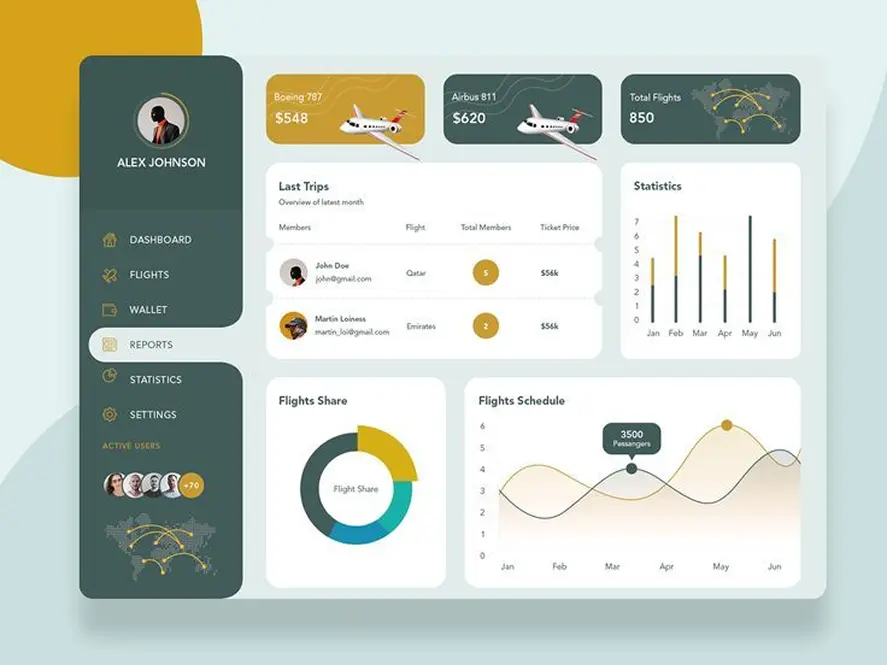
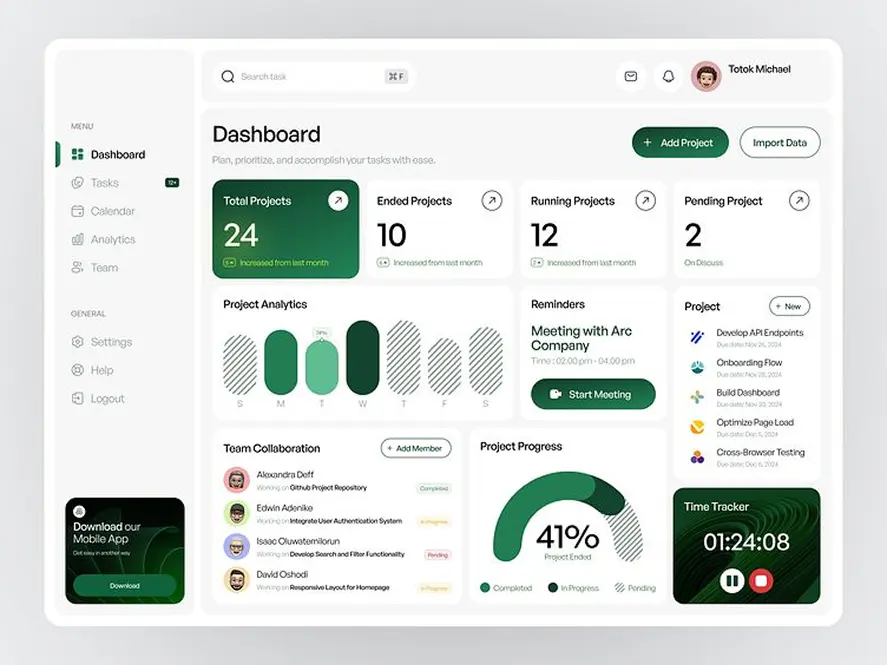
A centralized dashboard is the core of any SaaS management platform. This dashboard should give administrators a clear overview of all SaaS applications used within the organization.
Users should be able to quickly see:
Active SaaS tools
Total subscription costs
User access and permissions
Usage activity across applications
A clean and well-structured dashboard improves usability and helps decision-makers quickly understand how their SaaS applications are being used across the organization. At Artonest Design Studio, we design SaaS dashboards that present complex data in a simple and user-friendly way, helping businesses manage their SaaS tools more efficiently.
2. SaaS Discovery and Tracking
Many organizations use software that is not officially approved by IT teams. This is commonly known as shadow IT and can create security and management challenges.
A good SaaS management platform should automatically discover all SaaS applications being used within the organization. By analyzing integrations, login activity, and financial data, the platform can identify hidden tools and provide a complete view of the company’s SaaS environment.
This feature helps organizations reduce security risks, improve visibility, and maintain better control over their entire SaaS software stack.
3. Cost Management and Optimization
One of the main reasons companies adopt a SaaS management platform is to control software spending. Many organizations pay for SaaS subscriptions that are unused or duplicated across different departments. A well-designed platform should track subscription costs and provide clear insights into SaaS spending.
By analyzing usage data and subscription activity, the platform can help organizations identify opportunities to reduce unnecessary expenses. This allows businesses to optimize their SaaS investments and manage software budgets more effectively.
The platform should highlight:
Unused licenses
Duplicate tools
Opportunities to consolidate subscriptions
Renewal reminders
These insights help businesses reduce unnecessary expenses and optimize their SaaS investments.
4. User Access and Permission Management
Security is a critical part of managing modern software environments. When employees join or leave an organization, administrators must control their access to various SaaS applications. Without proper access management, companies may face security risks and data exposure.
A well-designed SaaS management platform allows administrators to easily manage user access and permissions across all SaaS tools. This includes granting access, revoking permissions, and controlling user roles within different applications.
Automating onboarding and offboarding processes helps organizations maintain security while saving time for IT teams. Effective user access management also ensures that only authorized users can access sensitive company data.
5. Integration with Existing Systems
Modern SaaS platforms must integrate with a variety of business systems such as identity providers, accounting tools, project management software, and CRM platforms. These integrations help organizations connect their tools and create a more unified workflow.
A well-designed SaaS management platform collects data from multiple systems to provide accurate insights into software usage, spending, and user activity. This allows administrators to monitor SaaS applications and make informed decisions.
Strong integrations improve the platform’s ability to track costs, manage user access, and monitor application usage. With a well-integrated system, organizations can manage their entire SaaS ecosystem from a single dashboard.
The Role of UX Design in SaaS Management Platforms
A powerful platform is not useful if users find it difficult to navigate. This is why UX design plays a critical role in SaaS product success. Many enterprise platforms fail because they prioritize technical complexity over usability. Designers must focus on making the platform intuitive and accessible.
Key UX principles for SaaS management platforms include:
Simplicity
The interface should present complex information in a clear and structured way. Users should be able to understand the platform without feeling overwhelmed by too much data or complicated features.
Clear Navigation
Users should quickly find important features such as application management, cost reports, and user permissions. Well-organized menus and logical navigation help users complete tasks efficiently.
Data Visualization
Charts, graphs, and visual dashboards make complex SaaS data easier to understand. Visual elements help users quickly analyze software usage, subscription costs, and spending patterns.
Contextual Insights
Instead of only showing raw data, the platform should provide insights and recommendations. These insights help decision-makers understand their SaaS environment and make better decisions.

Solving Common Usability Problems
Many SaaS management platforms struggle with usability issues that make them difficult for users to adopt. When platforms become too complex, users may find it hard to navigate the system or understand important data.
Common problems include:
Overly complex dashboards
Too many technical metrics
Confusing navigation structures
Lack of actionable insights
These problems often occur when product teams focus more on technical features than on user experience. Designers can solve these issues by focusing on user needs instead of system complexity. Conducting user research and usability testing helps identify pain points and improve the overall product experience.
Automation and AI in SaaS Management Platforms
Automation is becoming an essential feature in modern SaaS management platforms. Instead of requiring administrators to manually manage every process, automation and AI can handle repetitive tasks and improve operational efficiency. This allows teams to focus more on strategic decisions rather than routine administrative work.
Examples include:
Automatic license management
AI-driven cost optimization
Smart recommendations for application consolidation
Automated user onboarding and offboarding
These automation features help organizations manage their SaaS ecosystem more efficiently. By reducing manual work and providing intelligent insights, AI-powered SaaS management platforms can significantly improve productivity and reduce administrative workload.
The Future of SaaS Management Platforms
As organizations continue to adopt more cloud-based tools, SaaS management platforms will become increasingly important for managing complex software ecosystems. Businesses need solutions that provide visibility, control, and insights across all their SaaS applications.
Future platforms will focus on:
Deeper AI-powered analytics
Better security monitoring
Advanced automation capabilities
More intuitive user interfaces
Companies that invest in strong product design, UX, and usability will be able to build SaaS management platforms that organizations trust for managing their entire SaaS ecosystem efficiently.
Conclusion
Designing a better SaaS management platform requires balancing powerful functionality with simple and intuitive design. Businesses need platforms that provide visibility, cost control, security, and automation without overwhelming users with complexity.
By focusing on usability, strong integrations, and actionable insights, product teams can create SaaS management platforms that truly help organizations manage their software ecosystems more effectively.
A well-designed platform not only simplifies SaaS management but also enables businesses to make smarter decisions about their technology investments.
Frequently Asked
Questions
1. What is a SaaS management platform?
2. How does Artonest Design Studio improve SaaS platforms?
3. How does a SaaS management platform reduce software costs?
4. What is SaaS discovery and why is it important?
5. Why should companies choose Artonest for SaaS product design?
Table of contents
Recent


