

ALL BLOG POSTS
/
UX Design
UX Decisions That Directly Reduce SaaS Churn

Stefan Ivic
Author
In today’s competitive SaaS market, acquiring users is only half the battle. The real challenge is keeping them engaged and subscribed. Many SaaS products lose customers not because of weak features, but because of poor user experience. This is where SaaS UX plays a critical role in churn reduction, and Artonest focuses on designing experiences that improve retention.
Why SaaS Churn Happens
Before reducing churn, it’s important to understand why users leave SaaS products. In many cases, churn is not caused by pricing or competition, but by poor SaaS UX and usability issues. When users struggle to understand or use the product, they are more likely to stop engaging.
Common Reasons for SaaS Churn
• Confusing onboarding experience
• Too much friction in key workflows
• Lack of clear value demonstration
• Poor navigation and complex interface design
• Slow or unhelpful system feedback
When users do not quickly understand the value of a product, they lose interest. Improving user experience and reducing friction is key to effective churn reduction in SaaS platforms.
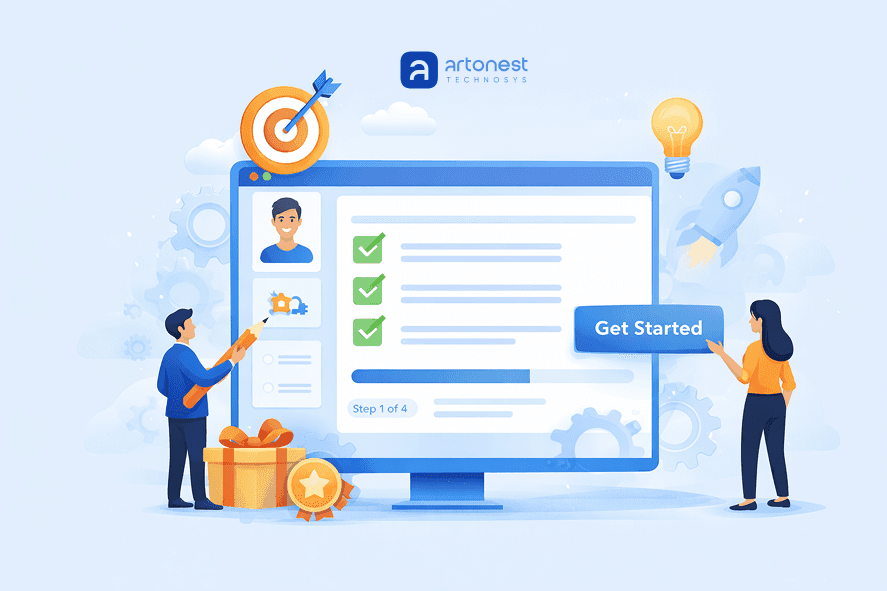
1. Simplify Onboarding to Deliver Instant Value
Onboarding is the most important step in any SaaS product experience. If users do not understand how to use the product within the first few minutes, they are unlikely to continue. A strong onboarding flow is essential for improving SaaS UX and reducing churn.
A good onboarding experience focuses on helping users achieve a quick win. Instead of showing all features at once, guide users step by step and help them complete their first meaningful action, such as setting up a project or integrating a tool.
Best Practices for SaaS Onboarding
• Use guided onboarding flows
• Break tasks into simple steps
• Highlight key actions
• Provide tooltips and hints
When users experience value early, they are more likely to stay engaged. This directly improves retention and supports churn reduction in SaaS platforms, a strategy strongly implemented by Artonest Design Studio.
2. Reduce Friction in Core Workflows
Friction is anything that slows users down or makes tasks harder to complete. Even small friction points can create frustration and lead to drop-offs. Reducing friction is a key part of improving SaaS UX and supporting churn reduction.
SaaS products should make core actions fast and effortless. If users need too many steps to complete a simple task, they are more likely to abandon the process. Simplifying workflows, reducing clicks, and improving usability can significantly enhance the user experience.
Examples of friction:
• Too many form fields
• Complex navigation
• Slow loading times
• Repetitive actions
By removing unnecessary steps and improving workflow efficiency, SaaS products can increase user satisfaction. A smooth and frictionless experience directly helps improve retention and reduce churn.
3. Make Value Clear and Visible
Users should always understand the value your product provides. If the value is not clear, they will not see a reason to continue using the platform. Clear value communication is essential for improving SaaS UX and reducing churn. Your interface should focus on outcomes, not just features. Instead of showing raw data, highlight meaningful insights that show real impact. This helps users quickly understand how your product benefits them.
For example, display insights like “You saved 5 hours this week” or “Your revenue increased by 20%.” These results make the value visible and easy to understand. When users clearly see results, they are more likely to stay engaged. Strong value communication directly supports churn reduction and long-term retention.
4. Improve Navigation and Information Architecture
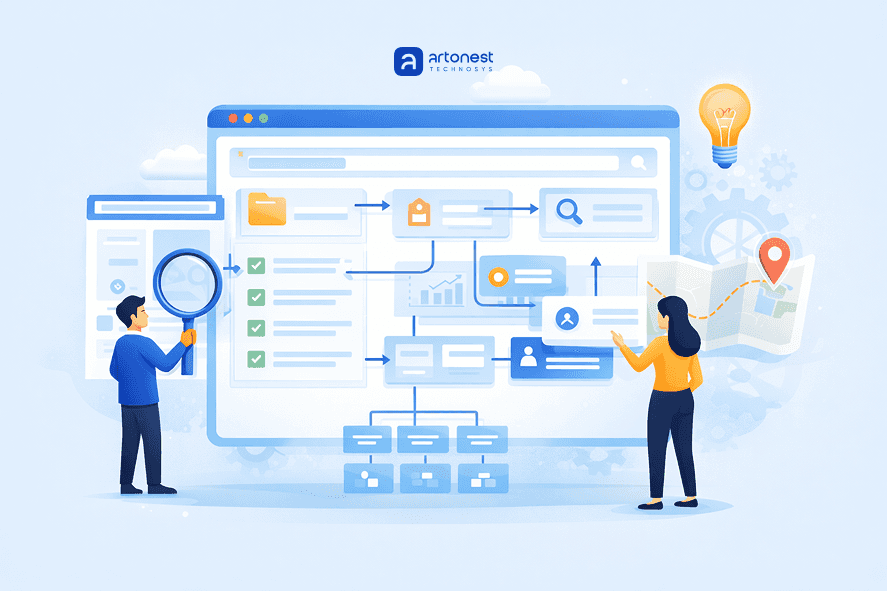
Poor navigation is a major reason users feel lost in SaaS products. If users cannot quickly find what they need, they are more likely to leave. Improving navigation is essential for better SaaS UX and churn reduction. A well-structured navigation system helps users move through the platform easily. Clear menus and logical structure improve usability and make the product easier to understand.
Best Practices for Navigation
• Keep the menu structure simple
• Use clear and descriptive labels
• Group related features logically
• Maintain consistency across screens
Good navigation reduces cognitive load and helps users complete tasks faster. This leads to better user experience, higher engagement, and lower churn.
5. Provide Immediate Feedback
Users need feedback to understand what is happening in the system. Without clear feedback, they may feel uncertain or confused. Providing timely responses is essential for improving SaaS UX and reducing user frustration. When a user interacts with the system, such as clicking a button, the platform should respond instantly. Elements like loading indicators, success messages, and error alerts help users understand system behavior and next steps.
Clear and immediate feedback builds user confidence and improves usability. A responsive interface creates a smoother experience, which directly supports churn reduction and user retention.
6. Personalize the User Experience
Not all users have the same goals or needs. Personalizing the experience based on user behavior helps improve engagement and retention. Strong personalization is an important part of SaaS UX and plays a key role in churn reduction. A personalized experience makes the product feel more relevant and easier to use. By showing the right information at the right time, SaaS platforms can help users achieve their goals faster.
Examples of Personalization
• Show relevant features based on user roles
• Provide customized dashboards
• Recommend actions based on usage patterns
Personalization improves user satisfaction and makes the platform more valuable. When users feel the product fits their needs, they are more likely to stay and continue using it.
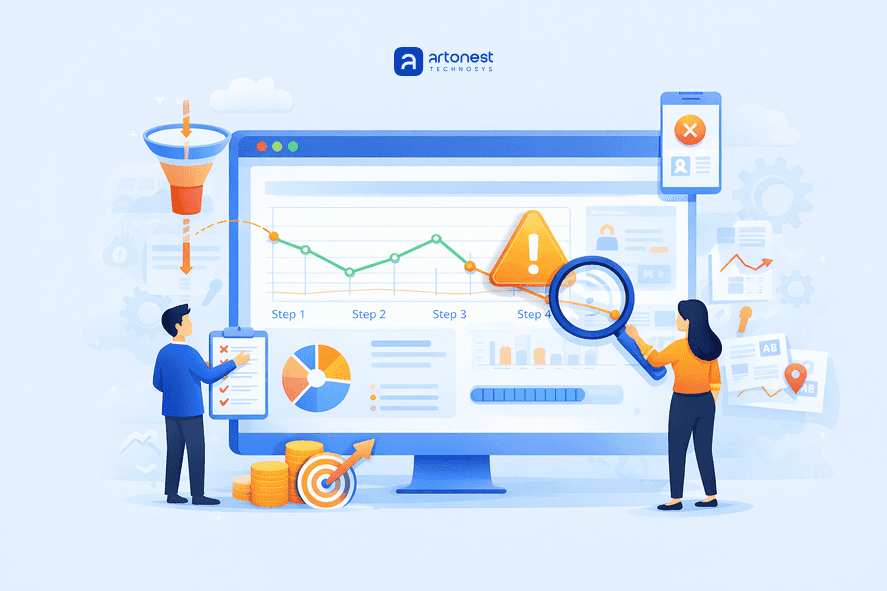
7. Use Data to Identify Drop-Off Points
Understanding where users drop off is essential for improving SaaS UX and reducing churn. Without data, it is difficult to know why users leave or where they face problems in the product journey. Analytics tools help identify friction points and user behavior patterns. By tracking how users interact with the platform, product teams can find areas that need improvement.
Key Areas to Analyze
• Where users abandon onboarding
• Which features are underused
• Where users stop engaging
By analyzing user behavior and usage data, teams can make informed UX decisions. This helps improve usability, optimize the user journey, and support effective churn reduction.
8. Build Trust Through Transparency
Trust is a key factor in user retention. Users should feel confident and secure when using your product. Strong transparency improves SaaS UX and plays an important role in churn reduction. Clear communication, transparent pricing, and predictable system behavior help build user trust. When users understand how your product works, they are more likely to stay engaged.
Ways to Build Trust
• Show clear pricing and billing information
• Provide data privacy transparency
• Avoid unexpected changes in UI or features
When users trust your product, they feel more comfortable using it regularly. This leads to higher engagement, better user experience, and lower churn.
9. Continuous UX Improvement
Reducing churn is not a one-time effort. It requires continuous testing and improvement to maintain a strong SaaS UX. Regular updates help ensure the product stays relevant and easy to use. Product teams should consistently collect user feedback, conduct usability testing, and analyze performance metrics. These insights help identify issues and improve the overall user experience.
Small UX improvements over time can lead to significant results. Continuous optimization helps improve usability, increase engagement, and support long-term churn reduction.
Conclusion
SaaS churn is often a UX problem rather than a product problem. By focusing on onboarding, reducing friction, improving navigation, and clearly communicating value, SaaS companies can significantly improve retention.
For SaaS founders and product managers, investing in SaaS UX design is one of the most effective strategies for long-term growth. When users have a smooth and intuitive experience, they are more likely to stay, engage, and become loyal customers.
Frequently Asked
Questions
1. What is SaaS churn and why is it important?
2. Why is onboarding important for SaaS products?
3. Why is transparency important in SaaS products?
4. How can Artonest improve SaaS product UX?
5. What role does personalization play in SaaS UX?
Table of contents
Recent


