ALL BLOG POSTS
/
UX

Stefan Ivic
Author
14 February
When people search for why UX research matters in modern website design, they want a clear answer: Does UX research really improve websites? What are the benefits? How does it help designers create better digital experiences? The goal of this guide is to explain exactly why UX research is a critical part of building a website that performs well, converts visitors, and supports long-term business growth.

What Is UX Research in Modern Website Design?
UX research is the process of gathering data about user behavior, needs, and expectations before and during website design. It includes interviews, surveys, usability testing, heatmaps, analytics, and feedback loops.
The goal is simple: understand the user well enough to design a website that feels effortless to use. Without UX research, designers make decisions based on assumptions, which often leads to confusing layouts, poor conversions, and high bounce rates.
UX research provides clarity. It shows what users want, what frustrates them, and what stops them from completing a task.
Why UX Research Matters More Than Ever
Modern websites need to load fast, look clean, and guide users smoothly. With so many choices online, visitors leave instantly if a site feels frustrating. UX research helps prevent that by aligning design decisions with real user behavior—not assumptions or trends.
Today’s users expect:
Simple navigation
Fast access to information
Clean visuals
Clear calls to action
Mobile-friendly experiences
UX research ensures the final design meets those expectations.
The Direct Impact of UX Research on Website Performance
UX research improves key website performance metrics. It doesn’t just make the UI look better—it improves how the website behaves and converts.
1. Better User Engagement
When users feel comfortable on a website, they stay longer and interact more. UX research identifies what keeps users engaged, such as:
Easy-to-scan layouts
Clear typography
Logical navigation
Friction-free user flows
This increases time on page and reduces bounce rates.
2. Higher Conversion Rates
UX research helps optimize pages like:
Landing pages
Pricing pages
Checkout flows
Lead forms
By understanding user hesitations, you can redesign pages to boost conversions. A single UX-informed decision—such as simplifying a form—can significantly increase sign-ups or sales.
3. Improved Website Usability
Usability is at the heart of modern website design. UX research identifies:
Buttons users don’t notice
Forms that feel too long
Menus that cause confusion
Elements that distract buyers
Fixing these issues makes the site easier to use across all devices.
4. Stronger Information Architecture
Without UX research, content often becomes cluttered or poorly structured. Research helps designers:
Organize content logically
Prioritize what users care about
Remove unnecessary pages
Improve readability
This leads to smoother navigation and a better overall experience.

How UX Research Works in a Modern Design Workflow
UX research fits into the website design process from the very beginning. Here’s how it shapes a successful project.
1. Discovering User Needs
Common research methods include:
User interviews
Surveys
Competitor analysis
Industry benchmarking
This gives designers a clear idea of who they are designing for.
2. Mapping the Customer Journey
A customer journey map highlights:
Touchpoints
Pain points
Motivation
Actions users want to take
This guides page layout, content placement, and navigation structure.
3. UX Testing During Design
Usability tests reveal issues before final development. Testing includes:
Click tests
Prototype reviews
A/B testing
Heatmap tracking
This ensures the design feels intuitive.
4. Continuous Improvement After Launch
Modern websites evolve. UX research continues after launch through:
Analytics tracking
User feedback
Session recordings
Conversion analysis
This keeps the website aligned with real user behavior.
Real Examples: How UX Research Improves Websites
Below are examples of how businesses benefit from UX research.
Example 1 — Improving Conversion Flow
A business discovers through UX testing that users drop off at the second step of a signup form.
Solution: simplify the form.
Result: 30% more signups.
Example 2 — Clarifying Navigation
Heatmaps reveal users rarely use the top navigation menu.
Solution: redesign into a simpler, clearer structure.
Result: lower bounce rate and more page visits.
Example 3 — Enhancing Mobile Usability
Mobile testing shows users struggle to tap small buttons.
Solution: increase spacing and button size.
Result: smoother mobile experience and more conversions.
Benefits of UX Research for Brands and Businesses
UX research supports long-term business growth, not just visual design improvements. When brands understand how users think and behave, they can design websites that feel intuitive, reduce friction, and align with real customer expectations. These benefits directly influence performance, conversions, and overall brand perception.
1. Reduces Development Costs
Fixing problems early is always cheaper than redesigning a website after launch. UX research helps teams identify issues before development begins, saving time, effort, and budget. By understanding user needs from the start, businesses avoid costly revisions and prevent unnecessary design cycles later.
2. Builds Trust and Credibility
A website that is clean, clear, and easy to use instantly builds trust. Visitors understand your content faster and feel more confident engaging with your brand. UX research reveals what users expect from a trustworthy website, helping businesses design experiences that create positive first impressions.
3. Improves SEO and Page Ranking
Search engines prefer websites that users enjoy. UX research improves:
Bounce rate
Dwell time
Page engagement
Search engines reward websites that provide a smooth and enjoyable user experience. UX research helps reduce bounce rates, increase dwell time, and improve page engagement—three factors that strengthen SEO performance. When users stay longer and explore more pages, search engines view the site as more valuable.
4. Supports Data-Driven Decisions
Instead of guessing what users want, UX research offers clear, measurable insights. Teams can make design decisions based on real behavior data rather than assumptions or personal opinions. This leads to more effective website improvements and ensures every change has a purpose backed by evidence.
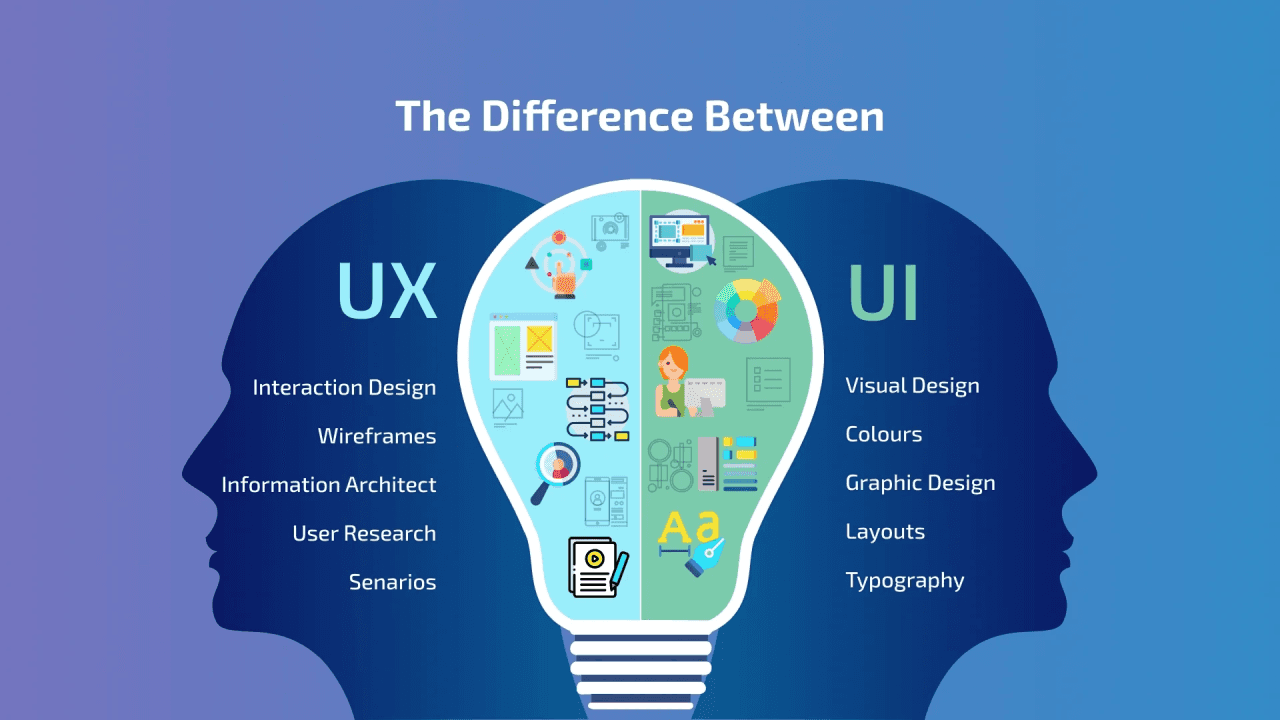
Why UX Research Is Essential for Modern Website Design
Modern websites serve as the central touchpoint for customers. UX research ensures that every section of the website is built with intention.
It helps answer questions like:
What do users look for first?
What stops them from buying?
What information do they need?
How should the layout be structured?
This approach leads to higher engagement and better results for businesses.
Best Practices for Using UX Research in Web Design
Following UX research best practices ensures that every design decision is supported by real insights rather than assumptions. These practices help teams create websites that feel intuitive, reduce friction, and deliver measurable improvements in performance. Here are the key guidelines all designers should follow to get the most value from UX research.
1. Start Research Early
The most effective UX research begins long before wireframes or visual design. Start at the discovery stage, when goals, target audiences, and user expectations are still being defined. Early research helps you understand what users need, what problems they face, and what motivates them.
This prevents teams from designing based on guesswork and reduces the number of changes later in the process. Early research sets a strong foundation and speeds up the rest of the project.
2. Use Both Qualitative and Quantitative Data
UX research is most powerful when you combine qualitative insights with quantitative evidence. Interviews, user stories, and feedback reveal how people feel and why they behave a certain way. Analytics, heatmaps, and conversion data show what users actually do on the website.
When both types of research work together, you get a complete understanding of user behavior. This ensures the final website design is guided by clear patterns and not just isolated opinions.
3. Test Prototypes Before Launch
Prototypes allow you to explore ideas early without investing heavily in development. Testing these prototypes helps identify issues with flow, navigation, clarity, and usability long before the final build.
Early testing reduces redesign costs and prevents UX problems from reaching users. Whether you use simple wireframes or interactive prototypes, the goal is the same: detect friction early and refine the design until it feels natural.
4. Keep Mobile Users in Mind
More than half of website traffic comes from mobile devices, so mobile UX must be a priority—not an afterthought. Use UX research to understand how your audience interacts on smaller screens.
Test mobile navigation, readability, tap targets, spacing, and load times. What works on desktop does not always translate well to mobile. Taking mobile behavior seriously ensures the website performs well for the majority of users.
5. Review Performance Monthly
UX research is ongoing. User needs change, business goals evolve, and industry trends shift over time. Reviewing performance monthly keeps your website aligned with user expectations. Analyze analytics, monitor user behavior, collect feedback, and run periodic usability reviews.
This continuous cycle helps you spot emerging problems early and update the design before they impact conversions or engagement.
Table of contents