

ALL BLOG POSTS
/
Figma
Why Choosing the Best Website Builder Matters for Growth

Stefan Ivic
Author
In today’s digital-first world, a website is more than an online presence; it is a growth engine for brands, startups, and businesses. The choice of the best website builder directly impacts performance, SEO ranking, and user conversions. From web design and UX design to website development and scalability, the right platform shapes the full user experience.
Understanding Website Builders in Modern Web Development
Website builders are powerful tools that help create, manage, and scale websites without heavy manual coding. Modern website builders combine web design and development, strong UI UX experience, performance optimization, and SEO-friendly structure into a single, easy-to-use system. This allows businesses, designers, and developers to build professional websites faster and more efficiently.
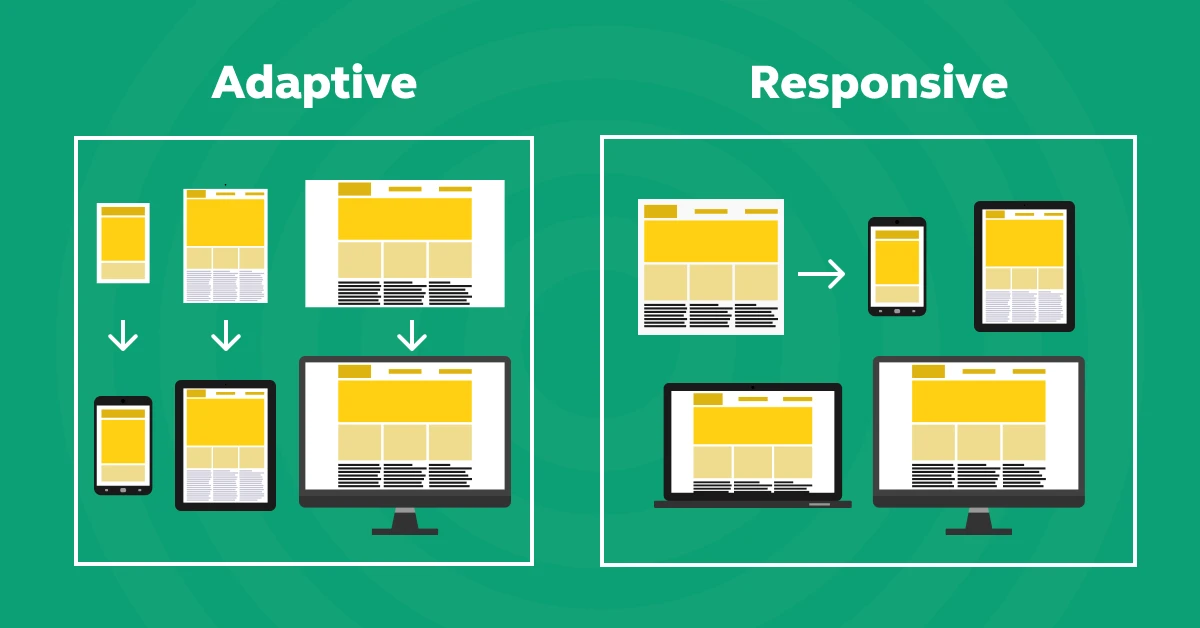
These platforms support responsive web design, ensuring websites look and perform well across desktops, tablets, and mobile devices. Built-in layout systems help structure pages clearly, while flexible components improve website layout and structure for better navigation and usability. This directly enhances user engagement and overall website performance.
Website builders also support advanced needs such as web application development and ecommerce website design. Businesses can create online stores, integrate payment systems, manage products, and optimize checkout flows without complex development processes. This makes them ideal for startups, small businesses, and growing brands.
For companies working with a website design company or a web development agency, choosing the right website builder ensures long-term flexibility and scalability. A good builder allows easy updates, design improvements, and feature expansion as business needs evolve. By combining design, usability, and technical performance, modern website builders help businesses maintain a strong and future-ready digital presence.
How Website Builders Impact User Experience (UX)
UX Design and UI Consistency
A strong user experience (UX) design is built on clarity, consistency, and ease of use. When users visit a website, they expect clean layouts, predictable navigation, and a visually balanced interface. This is where modern website builders play an important role. The best builders are designed to support consistent UI UX experience across all pages without requiring heavy custom coding.
Modern builders often integrate or support popular UI design systems such as Material UI, Tailwind UI, Radix UI, Chakra UI, NextUI, Headless UI, Daisy UI, and Fluent UI. These frameworks help maintain uniform spacing, typography, buttons, forms, and interaction patterns. As a result, user interface design feels familiar and intuitive, reducing confusion and mental effort for users.
Consistency in UI and UX design also improves how users move through a website. Clear menus, structured layouts, and reusable components help visitors understand where they are and what to do next. This is especially important for web design and development, ecommerce website design, and web application development, where multiple user actions are involved.
Good UX design UI design helps users:
Navigate faster without friction
Understand content hierarchy and layout clearly
Complete actions like sign-ups or purchases easily
Stay longer on the website with confidence
These positive interactions lead to better engagement, lower bounce rates, and higher conversions. Search engines monitor these signals when evaluating website quality. This means UX design is not only about usability but also directly connected to SEO performance.
For businesses working with a website design company or web development agency, choosing builders that support strong UI frameworks ensures scalability, performance, and a consistent user experience UX design across devices. When UX, UI, and performance work together, websites become more effective for both users and search engines.
Responsive Web Design Is Non-Negotiable
Today’s users interact with websites across multiple devices, including smartphones, tablets, laptops, and large desktop screens. Because of this shift in behavior, responsive web design is no longer optional. It is a core requirement for delivering a strong user experience and maintaining search visibility.
The best website builders are designed with a mobile-first approach. This means layouts are created to work seamlessly on smaller screens first and then scale smoothly to larger devices. Responsive web development ensures that content, images, navigation, and UI elements automatically adjust to different screen sizes without breaking the layout or usability.
Key benefits of responsive website design include:
Responsive page layouts that adapt fluidly to any screen
Touch-friendly UI elements for mobile and tablet users
Optimized typography that remains readable on all devices
Faster mobile performance through optimized assets and layouts
A responsive website improves usability by removing friction. Users don’t need to zoom, scroll horizontally, or struggle with tiny buttons. Everything feels natural and easy to interact with, regardless of the device.
Search engines also strongly favor responsive websites. Google prioritizes mobile-first indexing, meaning the mobile version of your website is considered the primary version for ranking. Websites that fail to deliver a consistent cross-device experience often suffer from higher bounce rates and lower rankings.
For businesses focused on growth, responsive web design directly impacts engagement, conversions, and SEO performance. Whether you are building a business website, ecommerce platform, or web application, responsive web development ensures your site is accessible, user-friendly, and competitive in today’s digital landscape.
In short, responsive design is not a feature anymore. It is the foundation of modern website design and long-term online success.
SEO Benefits of Choosing the Right Website Builder
Clean Structure and Crawlability
An SEO-friendly website builder plays a major role in how search engines read and rank your website. Modern builders generate clean HTML, logical layouts, and semantic structure that make it easier for search engines to crawl and understand your content.
With the right builder, your website benefits from a clear content hierarchy that helps search engines identify:
Page context and purpose
Content priority across sections
Topic relevance for target keywords
Proper use of H1, H2, and H3 tags ensures that both users and search engines can scan content efficiently. This structured approach improves crawlability, indexing, and long-term ranking potential.
Website builders that support SEO website design also simplify essential optimization tasks such as:
Writing and managing meta titles and meta descriptions
Creating clean, readable URL structures
Image optimization with proper sizing and alt text
Internal linking between related pages and content
This reduces technical errors and allows teams to focus more on content and strategy rather than manual fixes.
Website Speed and Performance
Website speed is a critical ranking factor and a major part of user experience. The best website builders are built with performance in mind, using modern development practices that help pages load faster and run smoothly.
Key performance advantages include:
Lightweight UI components that reduce page weight
Optimized assets such as images, fonts, and scripts
Efficient rendering that improves time-to-interactive
Better Core Web Vitals scores across devices
Fast-loading websites keep users engaged, reduce bounce rates, and increase session duration. These engagement signals directly impact SEO and overall website performance.
For businesses investing in web design and SEO, choosing a builder that prioritizes speed and optimization provides a strong competitive advantage. A faster website not only ranks better but also converts better, especially in competitive and high-traffic industries.
Role of UI/UX in Conversion and Engagement
From Design to Action
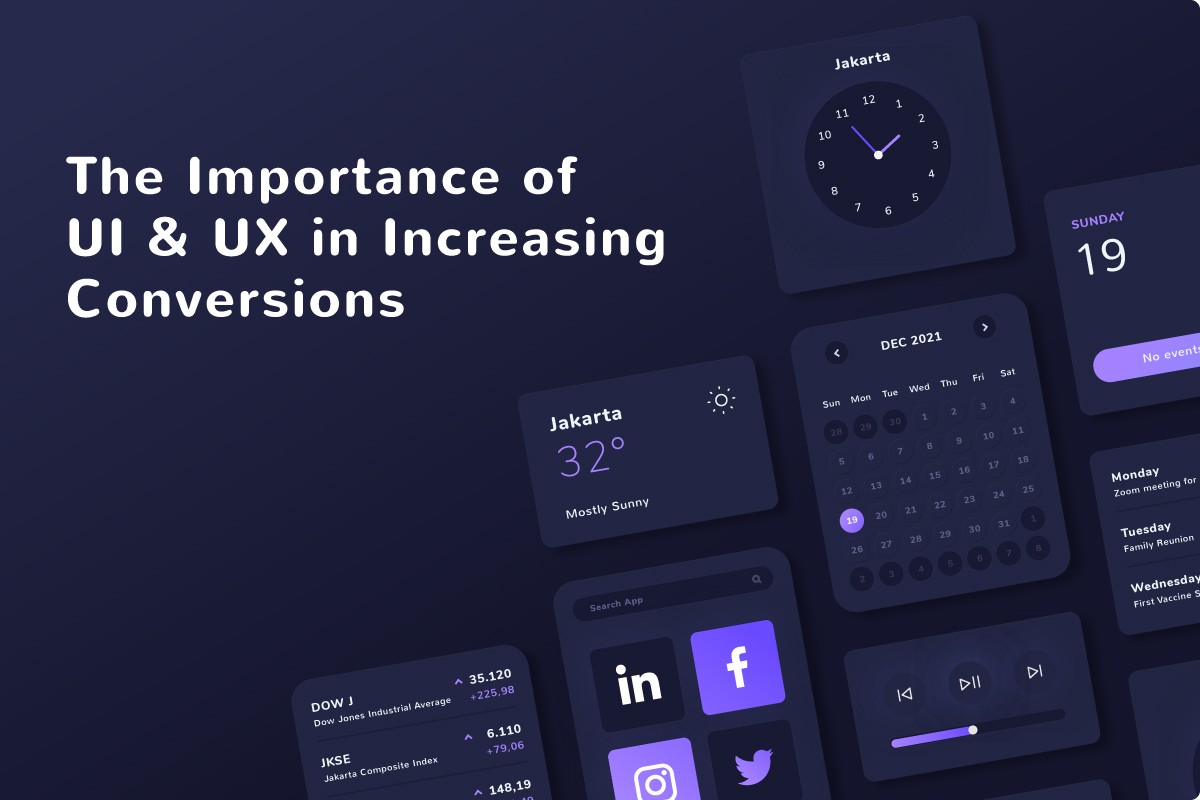
A successful website is not only about looking good. Its real purpose is to guide users smoothly from interest to action. Strong UI/UX design plays a critical role in turning visitors into leads, customers, or users.
When the UX interface design is clear and intuitive, users understand what to do next without thinking too much. Well-placed buttons, clear navigation, readable content, and logical page flow help users move confidently through the website. This reduces friction and builds trust.
Effective UI/UX design directly improves:
Lead generation through clear calls-to-action
Contact form completion with simple, user-friendly forms
Ecommerce conversions with smooth checkout experiences
User trust through consistency and visual clarity
Elements like structured layouts, accessible typography, balanced spacing, and visual hierarchy improve both app user experience and website performance. When users feel comfortable and in control, they are more likely to stay longer and take action.
Usability Testing and UX Research
Good UI/UX design is not based on assumptions. It is validated through usability testing and UX research. These processes help teams understand how real users interact with a website and where they face difficulties.
Usability testing identifies issues such as confusing navigation, unclear buttons, or slow interactions. UX research focuses on user behavior, goals, and expectations. Together, they help improve engagement and conversion rates.
Website builders that allow quick updates, testing, and iteration make this process easier. Designers can test layouts, adjust content, and refine user flows without rebuilding the entire website. This flexibility leads to faster improvements and better results.
That’s why user experience designers, UX researchers, and UI designers prefer platforms that support rapid experimentation and user-driven changes. When design decisions are backed by research and testing, websites perform better, engage users more effectively, and support long-term business growth.
Website Builders vs Custom Development
Choosing between website builders and custom development depends on business goals, budget, and technical needs. Both approaches have their place in modern web design and development, and understanding the difference helps businesses make smarter decisions.
When Builders Make Sense
Website builders are ideal for businesses that need speed, flexibility, and cost efficiency. They allow teams to launch and manage websites without heavy manual coding while still supporting modern UI and UX standards.
Marketing websites
Portfolio websites
Business websites
Ecommerce websites
Startup landing pages
Modern builders support responsive web design, SEO-friendly structure, and performance optimization. This makes them a strong choice for businesses that want high-quality results without long development cycles. For many companies, builders strike the right balance between speed, usability, and scalability.
When Custom Development Is Needed
Custom development becomes necessary when a project requires advanced functionality or complex logic beyond what standard builders can handle. These projects often involve deeper integrations, custom workflows, or unique performance requirements.
Full stack developer support
MERN stack development
React app development
Backend integrations
Python website development
In these cases, businesses may choose headless website builders combined with custom front-end and back-end development. This approach provides flexibility while still benefiting from structured content management.
Website Builders and Modern Design Trends
Modern website builders are no longer just tools for basic pages. They actively support the latest web design trends and help teams create visually modern, high-performing digital experiences without heavy custom code.
Design Trends Supported by Modern Website Builders
Today’s best website builders make it easy to implement popular design trends such as neumorphism, minimal UI, and dashboard UI. These styles focus on clean layouts, soft shadows, subtle depth, and clear visual hierarchy, which improve both usability and aesthetics.
Minimal UI reduces distractions and helps users focus on content and actions. Dashboard-style layouts are widely used in SaaS platforms and web applications, allowing users to scan data quickly and interact efficiently. Interactive animations and micro-interactions further enhance engagement by providing visual feedback without overwhelming the user.
Clean web layouts with balanced spacing, readable typography, and consistent components are now a standard expectation. Website builders help maintain this consistency across pages, improving overall user experience and brand trust.
Design Tools Integration for Better Collaboration
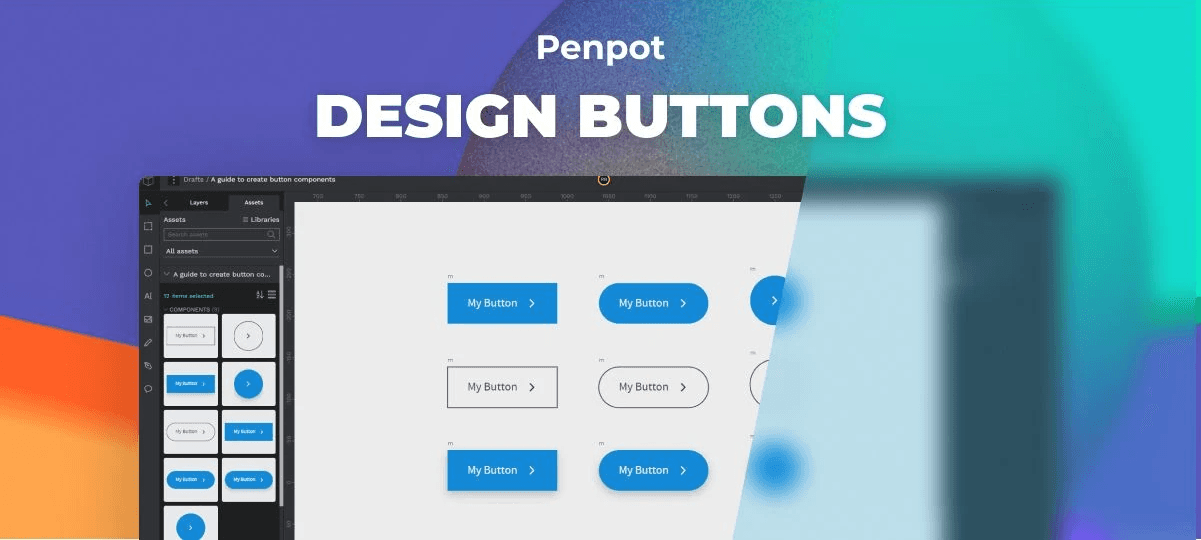
Modern website builders integrate seamlessly with popular design tools such as Figma, Adobe XD, and Adobe Experience Design. This allows designers to move smoothly from design concepts to live websites without losing accuracy or intent.
Designers can create wireframes, prototypes, and UI systems in Figma or Adobe tools, then translate those designs into responsive, production-ready websites. This workflow is especially helpful for design portfolio websites, agency projects, and collaborative teams where designers and developers work closely together.
These integrations reduce handoff friction, speed up development, and ensure that the final website matches the original design vision.
Website Builders vs Custom Development
Choosing between website builders and custom development depends on business goals, budget, and technical needs. Both approaches have their place in modern web design and development, and understanding the difference helps businesses make smarter decisions.
When Builders Make Sense
Website builders are ideal for businesses that need speed, flexibility, and cost efficiency. They allow teams to launch and manage websites without heavy manual coding while still supporting modern UI and UX standards.
Marketing websites
Portfolio websites
Business websites
Ecommerce websites
Startup landing pages
Modern builders support responsive web design, SEO-friendly structure, and performance optimization. This makes them a strong choice for businesses that want high-quality results without long development cycles. For many companies, builders strike the right balance between speed, usability, and scalability.
Faster Iteration and Consistent Design Systems
Website builders support reusable components and design systems, making it easier to scale and update websites. Buttons, layouts, typography styles, and UI elements stay consistent across the entire site.
This consistency improves usability, strengthens branding, and makes future updates faster. Designers can test new layouts, animations, or content sections without rebuilding everything from scratch, supporting continuous improvement and experimentation.
Choosing the Right Website Builder With Artonest Design
Choosing the right website builder is a strategic decision that directly impacts user experience, performance, and long-term growth. At Artonest Design, we help businesses select and implement the best website builders based on their goals, industry requirements, and audience expectations.
Our process begins with understanding how users interact with your website. We focus on UX strategy to define clear user journeys, followed by UI design systems that ensure visual consistency and usability across all pages. Every website we build is structured with an SEO-focused foundation, helping search engines crawl, index, and rank content effectively.
Performance is another key factor. We optimize layouts, assets, and interactions to ensure fast load times and smooth experiences across devices. Using scalable website builders allows us to create flexible platforms that grow with your business, whether that means adding new landing pages, expanding content, or integrating ecommerce features.
From startups to established brands, Artonest Design delivers websites that balance design, functionality, and search visibility for long-term success.
Final Thoughts: Website Builders Are Growth Tools
Website builders are no longer just tools for quick setup. When chosen and implemented correctly, they become powerful growth platforms that support business goals at every stage.
Website ranking
User experience
Conversion rates
Brand credibility
Long-term scalability
When web design, UI UX, website development, and SEO work together, websites move beyond aesthetics and become strategic business assets. A well-built site helps users trust your brand, engage with your content, and take meaningful actions.
At Artonest Design, we believe a smart website builder choice today creates measurable business growth tomorrow. By combining design thinking, modern technology, and SEO best practices, we build digital platforms designed to perform, scale, and succeed.
Frequently Asked
Questions
1. Why does choosing the right website builder matter for business growth?
2. How do website builders affect UX design and user experience?
3. Are website builders good for SEO and search rankings?
4. Which website builders are best for designers and developers?
5. Can website builders support long-term scalability?
Table of contents
Recent


