

ALL BLOG POSTS
/
UI Design
Why Design Consistency Matters for Business Websites

Stefan Ivic
Author
In today’s digital world, your website is often the first interaction people have with your brand. Visitors may not consciously analyze your design, but they definitely feel it. One of the biggest factors behind that feeling is design consistency. Design consistency is not about making everything look the same. It is about creating a smooth, familiar, and trustworthy experience for users across your entire website. When done right, it directly impacts credibility, engagement, and conversions.
What Is Design Consistency?
Design consistency refers to maintaining the same visual, structural, and functional elements across every page of a website. It ensures that users experience a familiar and predictable interface no matter where they are on your site. Instead of adjusting to new layouts or styles on each page, visitors can focus on your content, services, and calls to action.
Colors and typography
Button styles and icons
Layout structure and spacing
Navigation patterns
Tone of visuals and content
When these elements remain consistent, users do not have to relearn how your website works on every page. This creates a smoother user experience, improves website usability, and reduces confusion. From a business perspective, design consistency plays a major role in brand recognition, user trust, and engagement. A consistent website design signals professionalism and reliability, which directly impacts how users perceive your brand.
Search engines also favor websites that offer a clear structure and predictable navigation. Consistent layouts and design patterns help improve website performance, time on site, and SEO rankings by making it easier for users to browse and interact with your content. In short, design consistency is the foundation of a user-friendly website, a strong online brand identity, and a high-performing business website.
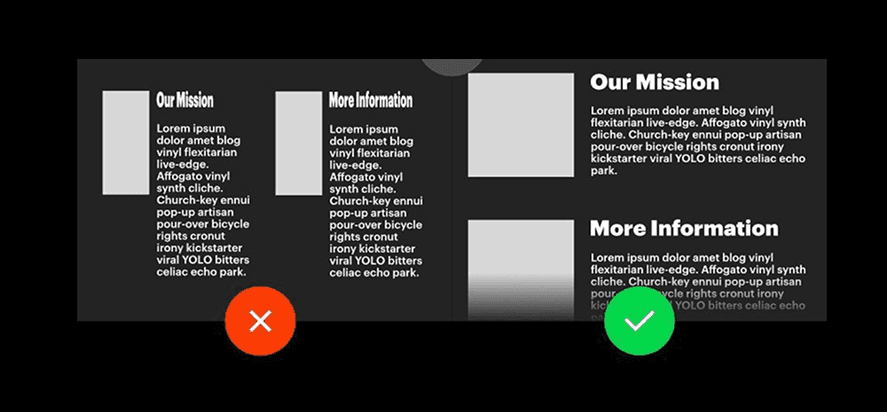
Why Design Consistency Is Important for Business Websites
1. Builds Trust and Credibility
Trust is one of the most important factors for any business website. When visitors land on your site, they quickly judge whether your brand feels reliable, professional, and worth their time. Design consistency plays a major role in building that trust.
A website with inconsistent colors, changing fonts, uneven layouts, or mismatched visuals can feel confusing and unpolished. Even if the content is good, an inconsistent website design may make users question the credibility of your business.
Your business is professional
You pay attention to detail
You care about user experience
On the other hand, inconsistent design often increases bounce rate and causes users to leave before taking action. For business websites, maintaining design consistency is essential for creating a strong first impression and building long-term brand credibility online.
2. Improves User Experience
A good user experience depends on how easily visitors can navigate and interact with your website. When users move from one page to another, they expect the website to behave in a familiar and predictable way. If button styles change, navigation menus shift position, or page layouts look completely different across the site, users are forced to relearn how the website works. This leads to confusion, frustration, and eventually lost visitors.
Makes navigation predictable
Reduces learning time for users
Helps visitors find information faster
When layout structure, spacing, and interaction patterns stay the same, users can focus on your content instead of figuring out where to click next. This improves website usability and encourages visitors to spend more time on your site.
Search engines also reward websites that provide a clear and user-friendly experience. By improving usability through consistent design, businesses can indirectly support SEO performance and improve their website’s visibility in search results. In short, design consistency helps create a website that feels intuitive, efficient, and easy to use—exactly what modern users expect from a professional business website.
3. Strengthens Brand Identity
Your website is one of the most powerful tools for building and reinforcing your brand identity. Every color, font, layout, and visual element communicates something about your business. When these elements remain consistent across the entire website, they create a strong and memorable brand presence.
Consistent use of brand colors, typography, logo placement, and layout structure helps users recognize your business instantly. Over time, visitors begin to associate your visual style with professionalism, reliability, and quality service provide Artonest Design Studio.
Creating strong brand recognition across all website pages
Making your business look established, credible, and trustworthy
Delivering a clear and unified brand message
Helping your brand stand out from competitors with a scattered or outdated design
When a website lacks consistency, branding feels weak and disconnected. Users may remember individual pages but not the brand behind them. A consistent website design ensures that every page reinforces the same identity, values, and tone.
Strong branding is not built through a single landing page or homepage alone. It is built through repetition, clarity, and consistency across service pages, blogs, contact forms, and all user touchpoints. This unified experience builds long-term brand recall and helps businesses create a lasting impression in the digital space.
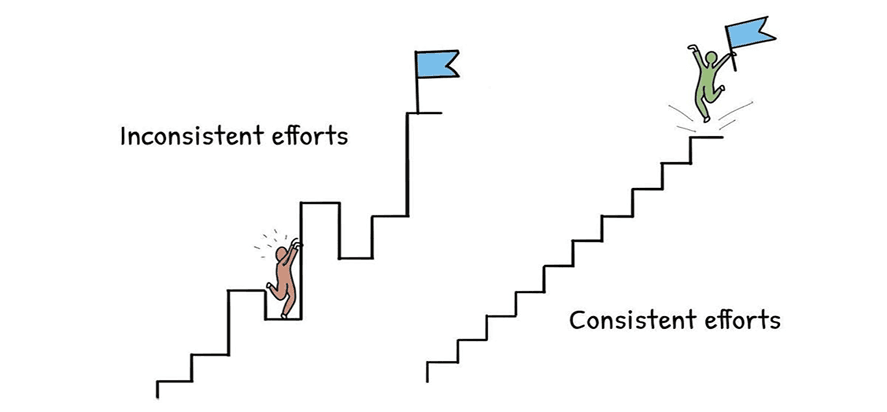
4. Increases Conversion Rates
Design consistency plays a direct role in improving website conversion rates. When users feel comfortable and confident navigating a website, they are far more likely to take action. A consistent website design removes unnecessary friction and reduces distractions that can prevent users from completing key actions. Familiar layouts, predictable navigation, and uniform design patterns guide users naturally through the website.
Call-to-action buttons stand out
Forms feel familiar and easy to complete
Users move naturally through the site
When buttons, forms, and navigation behave the same way on every page, users do not second-guess their actions. This increases confidence and encourages visitors to complete actions such as filling out inquiry forms, booking appointments, requesting quotes, or making purchases.
From an SEO and performance perspective, better user behavior signals such as longer session duration and lower bounce rates further support search rankings. This means design consistency not only improves conversions but also supports long-term business growth. In simple terms, the easier it is to navigate and trust your website, the easier it becomes to convert visitors into leads and customers.
5. Supports Long-Term Website Growth
As a business grows, its website must evolve alongside it. New services, landing pages, blog content, case studies, and marketing campaigns are added over time. Without a consistent design system in place, managing these updates becomes difficult, time-consuming, and expensive. This is where design consistency plays a critical role in supporting long-term website growth.
A consistent website design provides a strong foundation that allows businesses to scale their digital presence without compromising quality or performance. When layout structures, typography, colors, and design patterns are clearly defined, teams can expand the website confidently while maintaining a professional and unified look.
Add new pages without redesigning everything
Maintain quality across updates
Keep the website aligned with brand goals
Consistency also supports website performance and SEO as the site grows. Predictable layouts, structured navigation, and reusable components make it easier for search engines to crawl and index new pages. This helps maintain strong search visibility, even as the website expands.
In the long run, a consistent website design saves time, effort, and cost while ensuring the website remains scalable, reliable, and aligned with evolving business objectives. It allows businesses to grow their online presence strategically without sacrificing quality or user experience.
Common Design Consistency Mistakes to Avoid
Many business websites struggle with consistency because of:
Using too many fonts or colors
Mixing different button styles
Inconsistent spacing and alignment
Different design patterns on each page
Frequent changes without a clear system
Avoiding these mistakes can instantly improve the overall look and performance of a website.
How to Maintain Design Consistency
Maintaining design consistency requires planning, clear guidelines, and regular review. One of the most important steps is to create a clear brand style guide that defines colors, fonts, layouts, and visual rules. This guide acts as a reference point for anyone working on the website and helps ensure uniform design decisions.
Using a defined color palette and consistent typography across all pages improves readability and strengthens brand identity. Keeping layouts structured and reusable allows new pages to be added without breaking the overall design flow. It is also important to follow the same navigation pattern across all pages, so users always know where to find information.
Before publishing updates, always review new content and pages to ensure they follow existing design standards. A well-planned design system keeps everything aligned, improves usability, and supports long-term website growth.
Final Thoughts
Design consistency is not just a visual choice. It is a business decision. A consistent website builds trust, improves usability, strengthens branding, and increases conversions. For businesses that want to grow online, investing in consistent website design is not optional. It is essential.
At Artonest Design Studio, we believe that great websites are built on clarity, consistency, and purpose. When design works quietly in the background, your business message stands out clearly.
Frequently Asked
Questions
1. What is design consistency in a business website?
2. Why is design consistency important for business websites?
3. How does design consistency affect user experience?
4. Can design consistency improve website conversion rates?
5. How does design consistency help with branding?
Recent


