

ALL BLOG POSTS
/
UI Design
When and Why Your Business Website Needs a Redesign

Stefan Ivic
Author
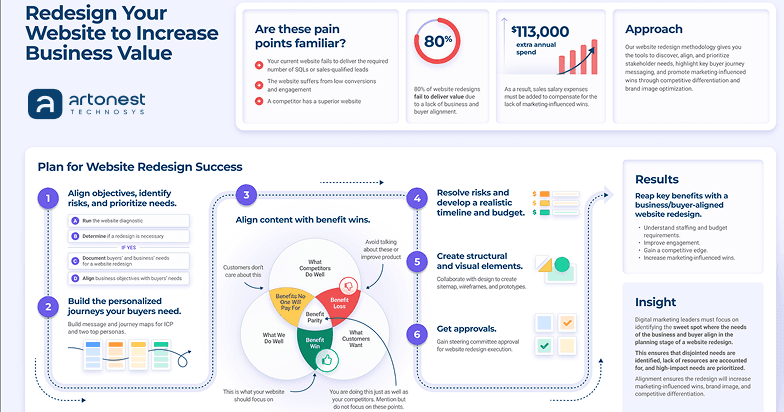
Your website is often the first place people interact with your brand. Before they contact you, trust your services, or compare you with competitors, they judge your business through your website. If it feels slow, outdated, or confusing, visitors notice immediately. It is about improving how your website performs for users and how effectively it supports your business goals. A well-planned redesign can improve usability, SEO performance, conversions, and long-term scalability.
When Does a Website Need a Redesign?
Every business website reaches a point where it no longer performs as expected. Identifying the right time for a redesign helps prevent lost opportunities and declining digital performance.
Your Website Looks Outdated
Web design trends evolve continuously. Layouts, typography, spacing, and visual styles that looked modern a few years ago can now feel old and unprofessional. Users quickly associate outdated web site designs with low credibility.
An outdated website often includes cluttered pages, heavy graphics, inconsistent colors, or poor visual hierarchy. These elements reduce trust and make it harder for users to understand your message. A website redesign helps refresh visuals, align branding, and present your business in a way that feels modern, clean, and professional across all web pages.
Poor Mobile Experience
Most users today browse websites on mobile devices. If your website is not optimized for mobile, you are losing traffic and leads before users even explore your services.Poor mobile experience includes text that is hard to read, buttons that are difficult to tap, broken layouts, and slow interactions. These issues frustrate users and increase bounce rates.
Responsive web design ensures your website adapts smoothly to different screen sizes. A redesign helps improve mobile usability, engagement, and overall user experience.
Slow Loading Speed
Website speed plays a critical role in both user experience and SEO. Slow websites frustrate users and reduce engagement, especially on mobile devices. Performance issues often come from outdated code, large images, unnecessary scripts, or inefficient website development practices. Even a few seconds of delay can cause users to leave.
A redesign allows website developers to optimize performance, clean up technical issues, and improve page loading speed across devices and browsers.
Low Conversions
If your website gets visitors but fails to generate inquiries, calls, or sales, design and structure may be the problem. Many websites focus on appearance but ignore user flow and conversion paths.
Poor call-to-action placement, confusing navigation, and unclear messaging prevent users from taking action. Visitors may not understand what to do next or why they should choose your business. A website redesign focuses on improving layout, content hierarchy, and user journey to guide visitors toward meaningful actions.
Difficult to Update Content
If updating text, images, or blogs feels complicated or requires technical support every time, your website structure or CMS may be outdated. Modern website development prioritizes flexible content management systems that allow businesses to update content easily. An outdated setup slows down marketing and content efforts.
A redesign simplifies content management, saves time, and allows teams to keep the website fresh and relevant.
Your Business Has Evolved
Businesses change over time. New services, new branding, new target audiences, or a different positioning can make an old website feel disconnected from reality. If your website does not reflect your current offerings or brand identity, it creates confusion and weakens trust. Users expect consistency between your business and your online presence.
A redesign helps realign website design with your current business goals and future direction.
Why a Website Redesign Is Important
Website redesign is not just a visual upgrade. It plays a strategic role in digital performance, branding, and long-term business growth.
Better User Experience
User experience is at the core of effective websites. Clear navigation, readable content, logical page flow, and intuitive interaction help users find information quickly. Good UX design reduces friction and improves engagement across websites. When users enjoy interacting with your site, they stay longer and explore more pages.
A redesign improves usability through better layouts, smarter structure, and user-focused design decisions.
Improved SEO Performance
Search engines favor websites that load fast, are mobile-friendly, and provide clear structure. Many SEO issues originate from poor website design and outdated development practices. A redesign allows implementation of SEO-friendly architecture, optimized page layouts, and improved internal linking. It also helps address technical SEO issues that impact rankings.
Better website design directly supports higher visibility, organic traffic growth, and long-term SEO success.
Stronger Brand Impression
Your website represents your brand at all times. If the design feels inconsistent, outdated, or unprofessional, it damages credibility instantly. A redesigned website aligns visuals, tone, and messaging with your brand identity. Consistent design builds recognition and trust across all digital platforms.
Professional website design services help businesses present a polished and confident brand image online.
Higher Conversions and Leads
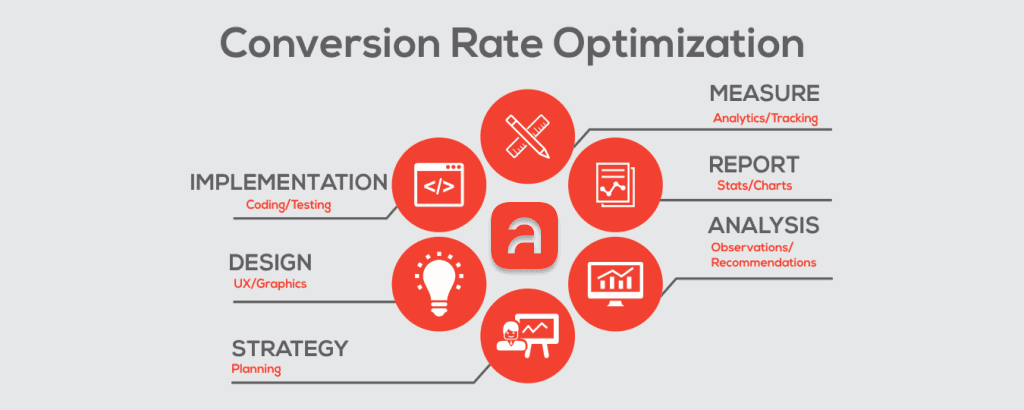
A well-designed website guides users toward action. Strategic layouts, clear calls to action, and optimized content flow improve conversion rates. Website redesign focuses on aligning design with business objectives, whether that is lead generation, inquiries, or sales. Small design changes can have a big impact on results.
Many businesses see conversion improvements without increasing marketing spend after redesigning their website.
Future-Ready Technology
Technology evolves quickly, and websites need to adapt. A redesigned website is easier to scale, integrate with tools, and update over time. Modern website development supports performance optimization, accessibility standards, and compatibility with new platforms. This future-proofs your digital presence. A flexible foundation allows your website to grow alongside your business.
Why Should a Website Be Redesigned Every 2 to 4 Years?
A website is not a one-time project that you build once and forget. The web ecosystem changes constantly, and businesses that want to stay competitive must adapt. A website that performed well a few years ago may no longer meet today’s user expectations, technology standards, or SEO requirements.
Redesigning a website every 2 to 4 years helps ensure that your digital presence stays relevant, user-friendly, and aligned with business goals. It is not about frequent visual changes, but about maintaining performance, usability, and growth potential. Below are the key reasons why regular website redesign cycles are important.
1. User Expectations Continuously Change
User expectations on the web evolve quickly. People interact daily with modern websites, apps, ecommerce platforms, and digital products that are fast, intuitive, and easy to use. As a result, their tolerance for slow or confusing websites decreases over time.
What felt modern three years ago may now feel outdated or inefficient. If users struggle to find information, navigate pages, or complete actions, they leave and look for alternatives. This directly impacts user experience, engagement, and trust.
A website redesign helps align your site with current user behavior, usability standards, and interaction patterns, ensuring a smoother and more intuitive experience.
2. Design Trends and Usability Standards Evolve
Web design is constantly improving. Layouts become cleaner, navigation becomes simpler, and content presentation becomes more focused on clarity and readability. Modern web design emphasizes visual hierarchy, spacing, accessibility, and mobile usability.
Older website designs often feel cluttered or difficult to scan. Poor layout decisions can overwhelm users and reduce engagement. Even if the content is valuable, outdated presentation can limit its effectiveness.
A redesign allows you to update website layouts, improve usability, and apply proven design patterns that reflect how people browse and consume content today.
3. Technology and Devices Move Fast
Technology does not stand still. New browsers, operating systems, screen sizes, and devices are introduced regularly. Websites built years ago may not be optimized for newer devices or modern performance standards.
Older websites often rely on outdated code, frameworks, or development practices. This can cause slow loading times, broken layouts, or compatibility issues on newer devices and browsers.
Website redesign gives developers the opportunity to modernize the technical foundation, improve performance, and ensure compatibility across devices, browsers, and screen resolutions.
4. SEO Requirements Keep Updating
Search engines constantly update their algorithms to improve search quality. Factors such as page speed, mobile usability, accessibility, content structure, and user experience play a growing role in rankings.
A website that was SEO-friendly a few years ago may no longer meet current standards. Poor structure, slow speed, or weak mobile experience can gradually reduce visibility in search results.
Redesigning your website allows you to address technical SEO issues, improve site structure, and align with modern SEO best practices, helping maintain and improve rankings over time.
5. Businesses Grow, Evolve, and Reposition
Businesses rarely stay the same. New services are added, branding evolves, target audiences shift, and goals change. If your website does not reflect these changes, it creates a gap between your business and your online presence.
An outdated website may still highlight old services, messaging, or positioning that no longer represents your current direction. This can confuse users and weaken brand credibility.
A redesign helps update content, messaging, and structure so your website accurately reflects who you are today and where your business is heading.
6. Conversion Behavior Changes Over Time
The way users take action on websites changes as digital habits evolve. What worked for conversions a few years ago may no longer be effective today. Users respond differently to calls to action, layouts, and content flow. Clear messaging, simplified forms, and better page structure can significantly improve lead generation and sales without increasing traffic.
A website redesign allows you to analyze user behavior, improve conversion paths, and optimize layouts to support current user decision-making patterns.
Long-Term Value of Regular Redesigns
Redesigning a website every 2 to 4 years is not about constant change. It is about maintaining relevance, performance, and competitiveness in a fast-moving digital environment.
Regular redesign cycles help businesses stay aligned with user expectations, technology updates, SEO requirements, and business growth. They reduce technical debt and prevent performance decline before it impacts results.
A well-timed redesign ensures your website continues to support marketing, branding, and growth instead of holding your business back.
Final Thought
A website redesign is not an expense. It is an investment in user trust, digital visibility, and business growth. A poorly performing website quietly costs opportunities through lost leads, weak engagement, and low credibility.
If your website feels outdated, slow, difficult to use, or disconnected from your goals, it is time to rethink it. Redesigning at the right moment strengthens your digital foundation and supports SEO, marketing, and conversions.
A modern, user-focused website helps your business compete confidently and grow sustainably in today’s digital-first world.
Frequently Asked
Questions
1. How do I know if my website needs a redesign?
2. How often should a business website be redesigned?
3. Is a website redesign necessary for SEO?
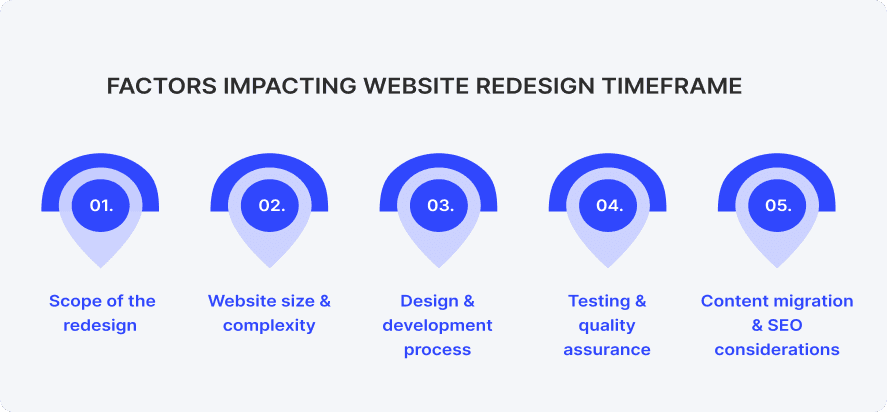
4. How long does a website redesign take?
5. How much does a website redesign cost?
Recent


