ALL BLOG POSTS
/
UX Design
Why Modern Businesses Need Strong UX Design

Stefan Ivic
Author
In today’s digital world, a website or app is often the first interaction people have with a business. That means user experience design (UX design) plays a much bigger role than just “making things look nice.” It directly impacts trust, conversions, customer loyalty, and even brand reputation.
What Is UX Design — And Why Does It Matter?
UX design focuses on how people use a product, website, or app. It’s about understanding real user behavior and designing every screen, flow, and interaction in a way that feels natural and effortless. Instead of forcing people to adapt to technology, UX design makes the technology adapt to people.
Strong UX design ensures the overall experience is:
✔ Simple
✔ Clear
✔ Enjoyable
✔ Accessible
✔ Useful
Good UX design removes friction so users don’t have to “figure things out.” Everything feels intuitive, familiar, and logical. Users can move smoothly from one step to the next whether they’re reading content, signing up, booking an appointment, or making a purchase. The journey doesn’t feel like work. It just flows.
When UX design is done well, people barely notice it they simply enjoy the experience. But when UX is neglected, frustration builds quickly. Users feel lost, confused, or overwhelmed… and most of the time, they simply leave and never return.
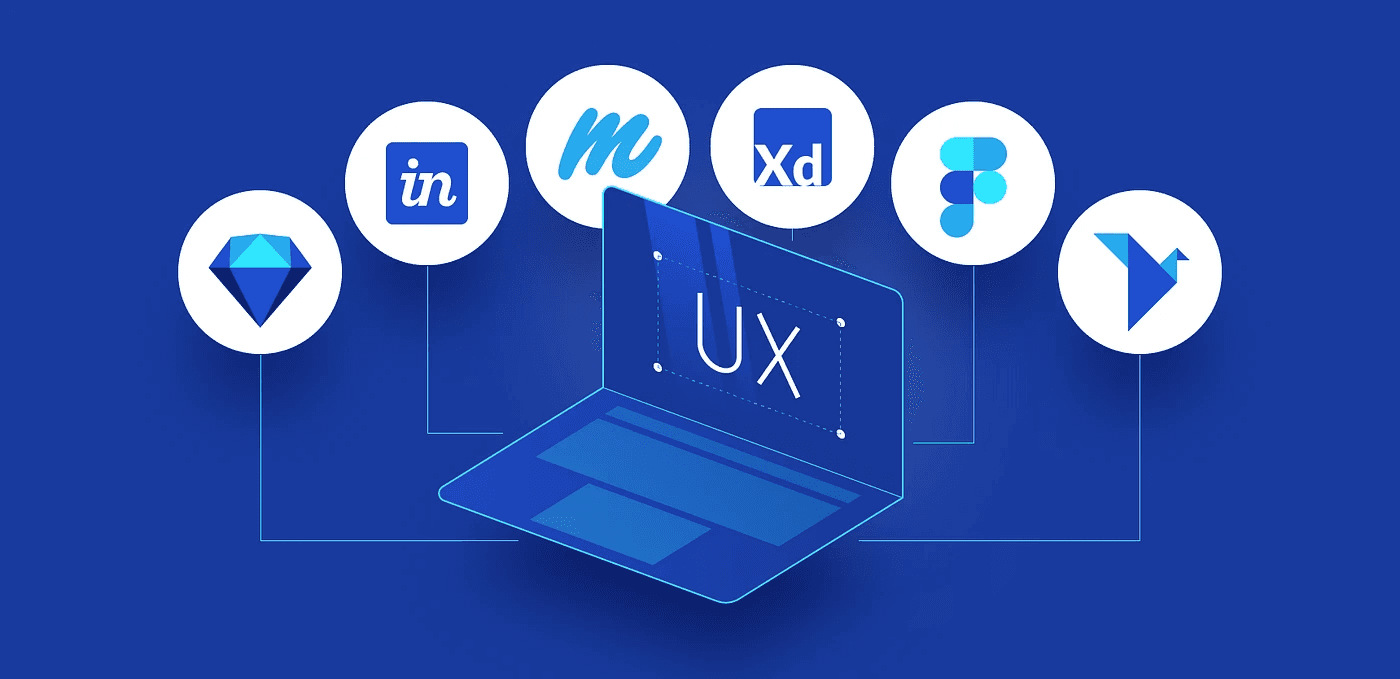
UX Design Builds Trust — Instantly
People decide within seconds whether they trust a website or not. Before they even read the content, they judge the layout, structure, and clarity. A clean interface, clear messaging, readable typography, and predictable navigation make users feel safe and confident right away. When everything looks organized and easy to use, your brand feels credible and professional.
Strong UX design helps:
⭐ Build credibility
⭐ Reduce confusion
⭐ Improve first impressions
⭐ Support brand identity
But the opposite is also true. If a website loads slowly, looks cluttered, or feels hard to navigate, users immediately question whether they should stay. A confusing experience creates doubt, frustration, and distrust — and most people leave within seconds. That means lost customers and lost opportunities.
In short, trust and UX design go hand-in-hand. A well-designed website doesn’t just look good. It makes people feel comfortable, secure, and confident engaging with your brand.
Good UX Increases Conversions
Whether the goal is sales, bookings, sign-ups, or leads… UX design directly impacts how many people take action. A website can look beautiful, but if users don’t understand what to do next, conversions drop immediately.
✔ CTAs are clear
✔ Forms are simple
✔ Navigation is intuitive
✔ The design guides users smoothly
✔ Checkout processes are easy
Even small UX improvements can create big performance gains. Something as simple as improving button text, reducing form fields, or decluttering a page often leads to higher engagement and more revenue. UX design removes hesitation, builds confidence, and makes decision-making easier for users.
That’s why UX design isn’t just a creative role it’s a powerful mix of strategy, psychology, and business growth. When users feel comfortable and supported, they convert more often. And that’s what turns a website into a real business asset, not just an online brochure.
UX Design Improves Brand Experience
Your website or product isn’t just a functional tool, it’s a defining part of your brand identity and how people connect with your business. Long before any direct interaction, your UX design already shapes perceptions, builds trust, and tells your story. At Artonest we understand that every design decision reflects who you are and what you stand for, making user experience a powerful extension of your brand.
Good UX design helps customers feel:
✨ Confident
✨ Supported
✨ Understood
✨ Valued
When users can easily find what they need, complete tasks without stress, and enjoy the overall experience, they naturally build a positive emotional connection with your brand. That emotional trust is what creates real brand loyalty. People return more often, stay engaged longer, and recommend your business to others because the experience simply feels good.
UX design shapes:
🎨 How your brand is perceived
📱 How users interact with your product
💬 The tone of communication
🧠 How your brand is remembered
Every button, layout choice, animation, and message contributes to that perception. A well-designed experience makes your brand feel professional, thoughtful, and human. Poor UX does the opposite, making even great companies feel unreliable or difficult to work with. In short, UX design doesn’t just improve usability — it strengthens your brand identity and deepens the relationship you build with every customer.
Strong UX Supports SEO & Visibility
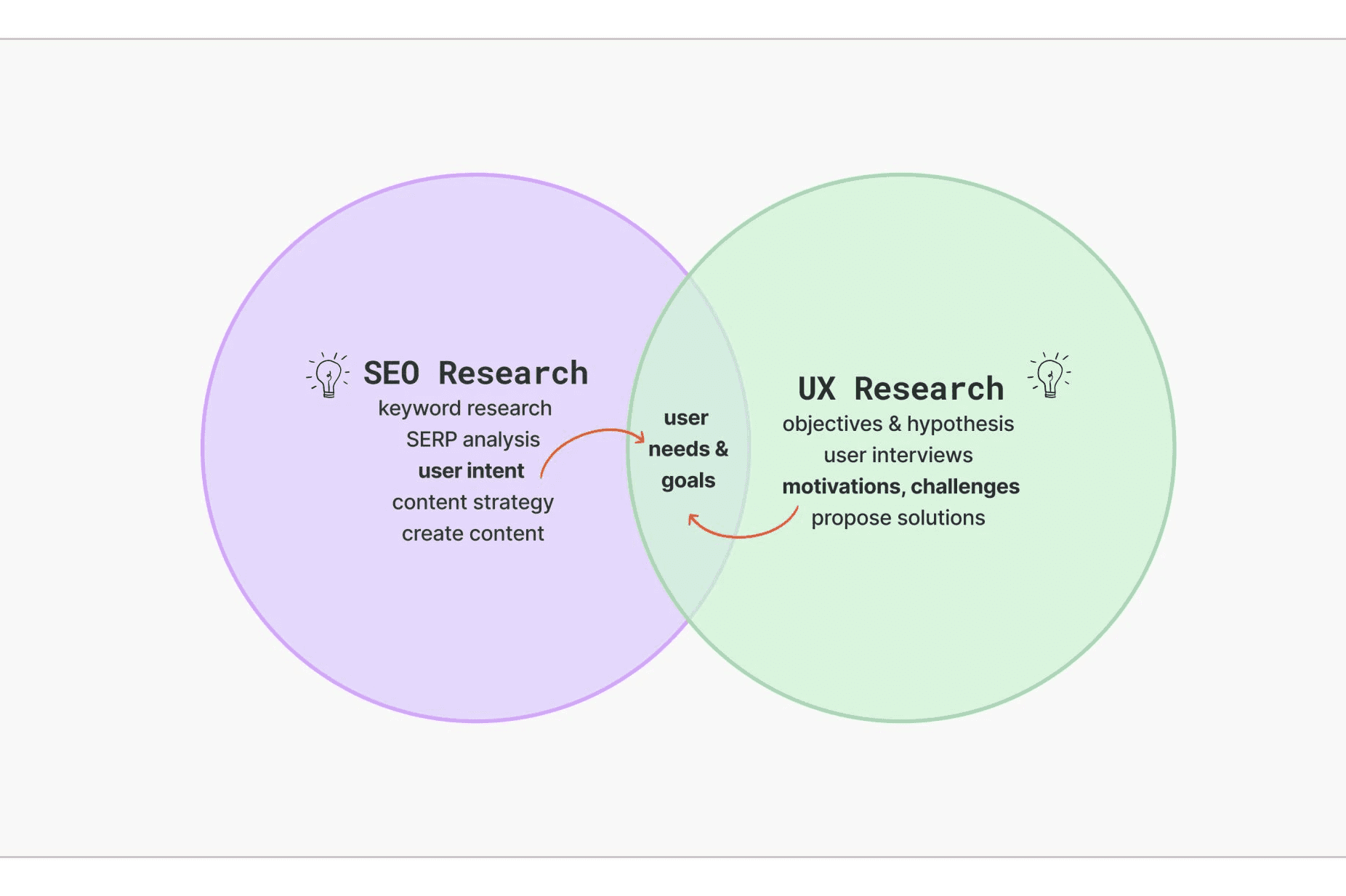
Search engines don’t just analyze keywords anymore — they look closely at how users behave on your website. When your UX design is strong, users stay longer, interact more, and navigate smoothly, which sends powerful quality signals to search engines like Google.
Good UX often leads to:
✔ Lower bounce rate
✔ Higher engagement
✔ Longer session time
✔ Better mobile experience
✔ More repeat visitors
All of these behaviors tell search engines that your website is useful and relevant, which naturally supports stronger search rankings over time. A clean layout, fast loading speed, responsive design, and intuitive navigation all work together to improve both user satisfaction and SEO performance. So UX design isn’t just about usability or aesthetics it plays a direct role in how visible your website becomes online. When users enjoy the experience, search engines notice.
Accessibility Matters More Than Ever
Modern businesses must design digital experiences that work for everyone — not just highly technical users. Today’s audiences include:
👵 Older users
👁 People with visual or cognitive challenges
📱 Mobile-first users
🌍 Global and multilingual audiences
💻 People with little technical experience
When UX design is accessible, every user can navigate, read, interact, and complete tasks without barriers. That means clear text, readable contrast, keyboard-friendly navigation, screen-reader support, and layouts that work smoothly across all devices.
Accessible UX isn’t just about meeting guidelines. It’s about inclusivity, ethics, and user respect. When people feel seen and supported, they trust your brand more. And trust is the foundation of long-term loyalty. Businesses that prioritize accessibility build stronger relationships, protect their reputation, and create digital experiences that truly serve everyone.
Better UX = Better Business Results
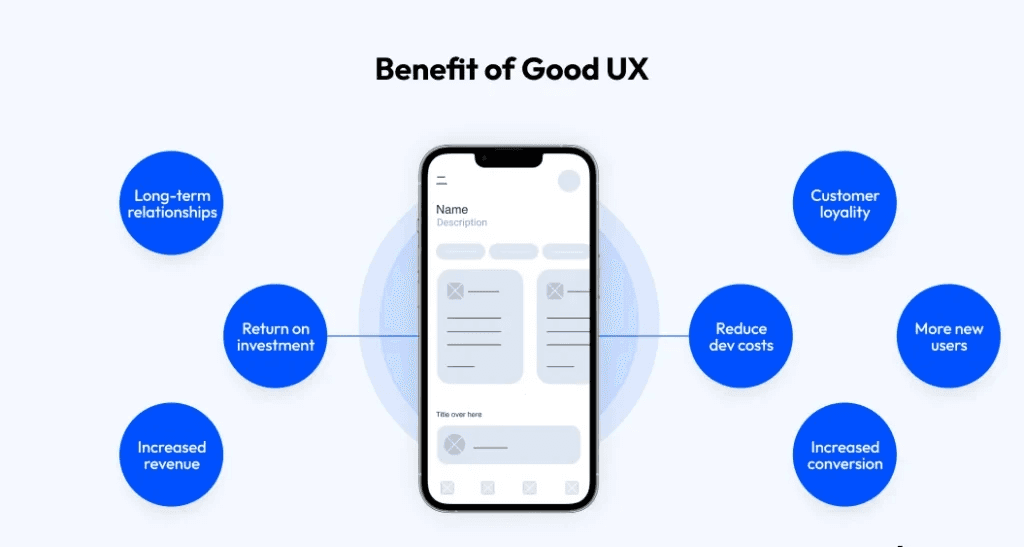
Businesses that invest in UX design see real, measurable benefits across every part of their operation. When users find a website or product easy to understand, intuitive to navigate, and pleasant to use, they are far more likely to stay engaged, return again, and trust the brand behind it. Good UX reduces confusion, builds confidence, and creates smoother digital experiences, which directly impacts revenue, loyalty, and overall perception of the brand.
🚀 Higher conversions
🚀 Stronger brand loyalty
🚀 Better customer satisfaction
🚀 Lower support costs
🚀 Improved product value
🚀 Competitive advantage
UX is no longer optional. It has become a core pillar of how modern brands compete, grow, and differentiate themselves online. Companies that prioritise user experience don’t just create better products — they create stronger relationships with their customers and build long-term business success.
Final Thoughts
User experience design is no longer just a creative add-on. It’s one of the strongest drivers of trust, engagement, and business growth in the digital world. When websites and products are simple, intuitive, and enjoyable to use, customers stay longer, convert more often, and build stronger connections with the brand.
Modern businesses that prioritise UX design aren’t just improving their interfaces. They’re investing in clearer communication, better customer relationships, and long-term competitive advantage. Strong UX design makes every interaction smoother and every digital experience more human — and that’s exactly what users expect today.
Frequently Asked
Questions
1. What is UX design and why is it important for businesses?
2. How does UX design affect website conversions?
3. What is the difference between UI and UX design?
4. How does UX design impact brand perception?
5. Why is mobile UX design so important today?
Recent