

ALL BLOG POSTS
/
SEO
Why Performance-Driven Design Matters for Growth

Stefan Ivic
Author
In today’s digital-first world, design is no longer just about how a website looks. It’s about how it performs. Performance-driven design focuses on speed, usability, clarity, and efficiency to help businesses grow faster and more sustainably. A visually attractive website may catch attention, but a high-performing website keeps users engaged, builds trust, and drives real results. This is why modern businesses are shifting their focus from decorative design to performance-led design strategies.
What Is Performance-Driven Design?
Performance-driven design is a strategic approach where every design decision is tied to measurable outcomes. Instead of focusing only on visual appeal, it prioritizes how well a website performs for real users. This includes improving conversions, reducing bounce rates, increasing engagement, and supporting long-term business growth.
Rather than asking only “Does this look good?”, performance-driven design asks more important questions:
Does the website load fast across all devices?
Is the UI UX design simple and intuitive?
Does the user interface guide users clearly from one action to the next?
Does the experience support real business goals?
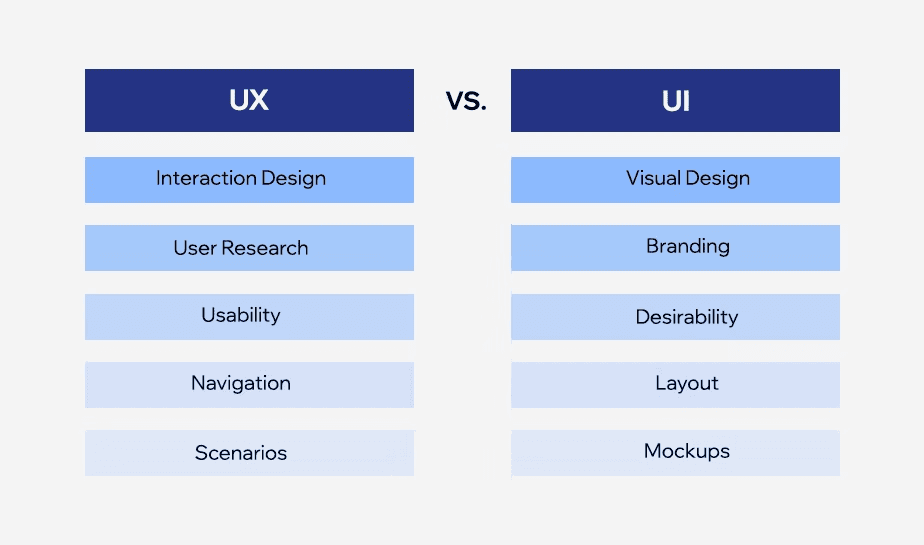
At its core, performance-driven design blends UI UX design, UX design, and user interface design with technical performance factors such as page speed, accessibility, and usability. A fast, well-structured interface improves how users interact with a site and how long they stay engaged.
Website speed plays a major role in this process. Tools like Google Page Speed, Page Speed Insights, and a website speed test help identify performance issues that affect user experience. Slow load times, poor page speed scores, or heavy layouts can negatively impact both UX and SEO. That’s why performance-focused teams regularly use website speed reports, web speed testing, and site page speed tests to ensure optimal results.
Performance-driven design also relies on understanding real user behavior. By analyzing data from website site checkers, internet speed websites, and website speed meters, designers can optimize layouts, reduce friction, and improve the overall UI UX experience.
In short, performance-driven design brings together UX design and UI design, website speed optimization, accessibility, and user behavior insights into one unified strategy. The result is a website that not only looks good, but loads fast, works smoothly, and delivers real business value.
Speed Is the Foundation of Growth
Website speed is one of the strongest drivers of user experience and business performance. When a website loads slowly, users lose patience, trust drops, and bounce rates increase. In contrast, fast-loading websites feel reliable, professional, and easy to use, encouraging visitors to stay longer and explore more content.
Performance-driven design treats speed as a core UX and UI priority, not an afterthought. A smooth UI UX experience depends heavily on how quickly pages respond to user actions. Even small delays can interrupt the user journey and negatively affect engagement.
To ensure high performance, performance-driven design prioritizes:
Lightweight layouts that reduce unnecessary load
Optimized images and assets for faster rendering
Clean structure and efficient user interface design
Mobile-first performance across all screen sizes
Modern teams regularly rely on tools like Google Page Speed, PageSpeed Insights, and website speed test platforms to measure and improve load times. Running a site page speed test or website speed report helps identify heavy scripts, unoptimized media, or layout issues that slow down performance.
Speed also directly impacts UX design and conversions. Faster websites make navigation feel effortless, reduce friction, and improve clarity. When users don’t have to wait, they are more likely to interact, complete actions, and move smoothly through the interface.
From a business perspective, speed is no longer just a technical metric measured by a website speed meter or web speed testing tool. It is a growth factor that influences user satisfaction, SEO visibility, and overall digital success. In performance-driven design, speed becomes the foundation that supports better UX, stronger engagement, and long-term growth.
Better UX Leads to Better Business Results
User experience plays a critical role in performance-driven design and overall business success. At Artonest, we believe a well-designed website should feel intuitive, predictable, and easy to navigate. When users don’t have to think about what to do next, they move naturally through the site and focus on the value your business offers, not the interface.
Strong UX design and UI UX design remove friction from the user journey. Clear navigation, logical page structure, and readable content help users understand where they are, what they can do, and how to take the next step. This creates a smooth UI UX experience that feels effortless across the entire website.
Effective user interface design supports better engagement by guiding attention and reducing confusion. When layout, typography, spacing, and visual hierarchy are handled correctly, users are more likely to scroll, interact, and complete actions. This is why modern web design and website design focus heavily on usability rather than decoration alone.
Strong UX design helps businesses:
Reduce friction and user frustration
Improve engagement and session duration
Increase conversions and lead generation
Build trust and brand credibility
From a development perspective, website development and responsive web design also play a key role. A responsive, mobile-friendly interface ensures users have a consistent experience across devices, which is essential for modern web design websites and ecommerce platforms. Poor mobile UX can quickly undo even the best visual design.
Businesses working with a web design agency or website design company often see measurable improvements when UX design is prioritized early. Through usability testing, UX research, and thoughtful layout decisions, websites become easier to use and more aligned with real user behavior.
In the end, UX design is not just about aesthetics. It’s about creating clarity, confidence, and flow. When a website feels easy and intuitive, users are more likely to trust the brand, engage with content, and take action. That is how good UX design directly supports better business results and long-term growth.
Performance-Driven Design Improves Conversions
Every business website is built with a purpose. That purpose might be generating leads, booking appointments, selling products, or encouraging users to sign up. Performance-driven design ensures that every element on the page supports that goal instead of distracting users from it.
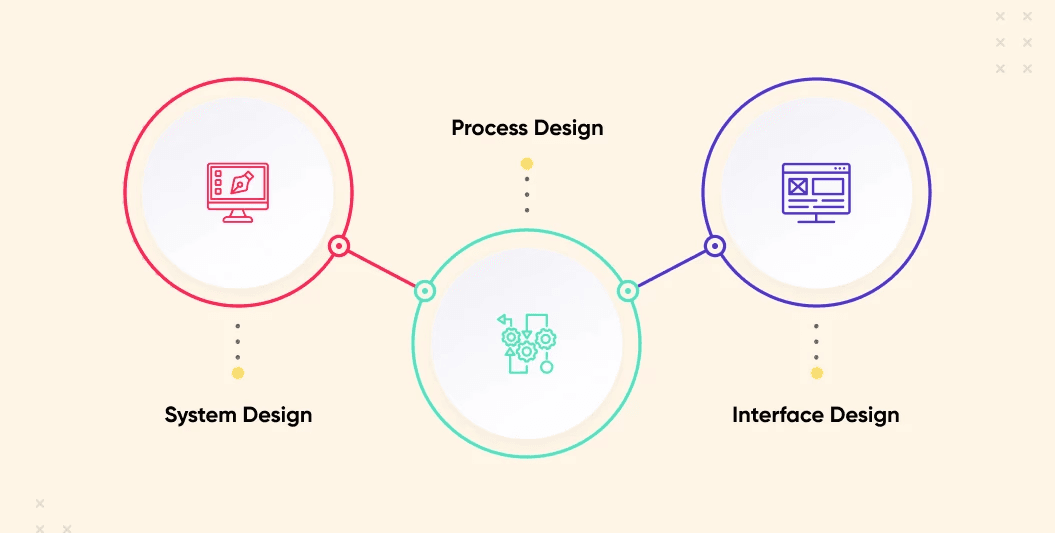
Rather than adding unnecessary visuals or complex layouts, performance-driven design focuses on clarity and intent. The layout, content structure, and user interface are all aligned to guide users toward a specific action. When users immediately understand what the website offers and what to do next, conversion rates naturally improve.
Conversion-focused design typically includes:
Clear and visible calls-to-action placed where users expect them
Simple, easy-to-complete forms with minimal fields
Focused page layouts that highlight one primary goal
Distraction-free user journeys that remove unnecessary choices
Strong UX design plays a major role here. When buttons are placed logically, messaging is clear, and navigation feels intuitive, users feel confident taking action. Even small UX improvements can have a big impact. For example, simplifying a checkout process, improving button contrast, or reducing form steps can significantly increase conversions.
Performance-driven design also reduces hesitation. Users are less likely to abandon a page when the interface feels fast, reliable, and easy to use. This is especially important for ecommerce websites, landing pages, and service-based websites where every interaction influences revenue.
In short, performance-driven design turns websites into conversion tools. By removing friction, guiding attention, and focusing on user intent, businesses can achieve higher engagement, better results, and measurable growth without relying on aggressive marketing tactics.
SEO and Performance Go Hand in Hand
Search engines reward websites that deliver strong performance and a positive user experience. Performance-driven design directly supports SEO optimization by improving critical factors such as page speed, mobile usability, content structure, and user engagement. Today, SEO is not just about keywords. It is deeply connected to how users interact with a website.
When a website loads fast, feels easy to navigate, and works smoothly across devices, users stay longer and interact more. These behavior signals tell search engines like Google that the site is valuable and relevant. As a result, businesses see improvements in Google ranking, website ranking, and overall search engine optimisation SEO performance.
Performance-driven design strengthens multiple areas of SEO, including:
On-page SEO
Technical SEO
User experience UX design
Digital marketing agencies and SEO agencies now prioritize performance as part of their SEO services and digital marketing strategy. Tools such as Google PageSpeed Insights, SEO analyzers, site audits, and website traffic analysis platforms help identify performance issues that affect both SEO and conversions.
Better performance leads to:
Higher search visibility
Stronger organic traffic growth
Improved engagement metrics
Better support for local SEO and ecommerce SEO
Unlike paid ads or short-term campaigns, performance-driven SEO delivers sustainable results. When websites are designed with performance in mind, they rely less on constant paid advertising and more on long-term organic search optimization. This is why modern SEO companies, digital marketing firms, and web design agencies focus heavily on performance-driven design.
In short, SEO and performance are inseparable. Designing websites that load fast, feel intuitive, and engage users helps businesses grow through search engines, improve online visibility, and build long-term digital authority without depending solely on paid channels.
Responsive Design Supports Growth Across Devices
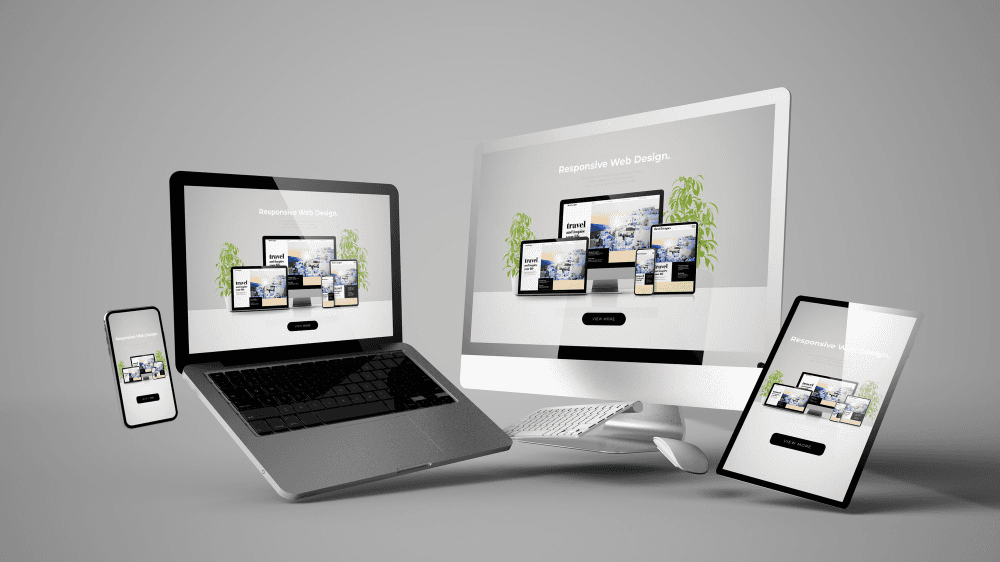
Today’s users access websites from many different devices, including mobile phones, tablets, laptops, and large desktop screens. Performance-driven design ensures that the user experience remains consistent, fast, and intuitive across all of them. A website that works well on one device but breaks on another immediately loses credibility and potential customers.
Responsive web design focuses on adapting layouts and content to different screen sizes without compromising performance or usability. This approach prioritizes:
Mobile-first layouts that load quickly on smartphones
Touch-friendly interactions for easy navigation
Flexible grids and responsive typography that scale smoothly
Consistent performance and usability across all devices
From a UX design and UI UX perspective, responsive design reduces friction and improves accessibility. Users can complete actions comfortably whether they are browsing on mobile or desktop. Search engines also favor responsive websites because they provide a better overall user experience, which supports SEO performance and visibility.
A responsive, well-performing website builds trust, improves engagement, and ensures no potential customer is lost due to poor device experience. For modern businesses, responsive design is not optional. It is a core requirement for sustainable digital growth.
Performance Builds Trust and Brand Value
Trust is built through experience, not promises. When a website feels fast, stable, and easy to use, users naturally feel confident in the brand behind it. Performance-driven design plays a direct role in shaping how users perceive a business online.
A high-performing website communicates:
Professionalism through clean structure and smooth interactions
Reliability with fast load times and stable behavior
Attention to detail in UI design and content presentation
User-first thinking through intuitive navigation and clarity
Strong performance supports positive UX design and reinforces brand credibility. Over time, consistent performance leads to better engagement, repeat visits, and stronger customer loyalty. Users are more likely to trust, return to, and recommend brands whose websites feel reliable and effortless to use.
Performance-driven design doesn’t just improve technical metrics. It strengthens brand perception, increases long-term value, and turns websites into trusted digital touchpoints. When performance and user experience work together, brands grow stronger in both visibility and reputation.
Why Growing Businesses Choose Performance-Driven Design
Growing businesses choose performance-driven design because it delivers measurable, real-world impact. Instead of focusing only on how a website looks, this approach prioritizes how the website works, how users interact with it, and how effectively it supports business goals.
Performance-driven design helps businesses:
Scale faster by removing friction in user journeys
Reduce user drop-off through better UX and faster load times
Improve ROI by aligning design decisions with conversions
Support long-term growth with flexible, scalable systems
When design is guided by performance, websites become strategic assets. Every layout choice, interaction, and content section is created to move users toward meaningful actions. This turns websites into active growth tools rather than passive digital brochures that simply exist online.
Businesses operating in competitive markets need websites that adapt, perform consistently, and support evolving customer expectations. Performance-driven design provides that foundation by combining speed, clarity, usability, and intent into one unified experience.
Final Thoughts
Design is no longer just about aesthetics. It’s about performance, usability, and results. Performance-driven design ensures your website works as hard as your business does.
By focusing on speed, user experience, clarity, and conversion, businesses can create digital experiences that support real growth. In a competitive digital landscape, performance-driven design isn’t optional. It’s essential.
At Artonest Design, we believe great design should do more than look good. It should perform, convert, and grow with your business.
Frequently Asked
Questions
1. What is performance-driven design?
2. Is performance-driven design important for SEO?
3. How does UX design impact performance-driven websites?
4. How does Artonest Design apply performance-driven design?
5. Is performance-driven design suitable for small businesses?
Recent


