

ALL BLOG POSTS
/
UI Design
Why User Experience Design Is More Than Just UI

Stefan Ivic
Author
Many people think user experience design (UX design) and user interface design (UI design) are the same. In reality, UI is only one part of UX. While UI focuses on visuals, UX design looks at the entire journey a user takes when interacting with a website or app.
Understanding the Difference Between UI and UX
What Is UI Design?
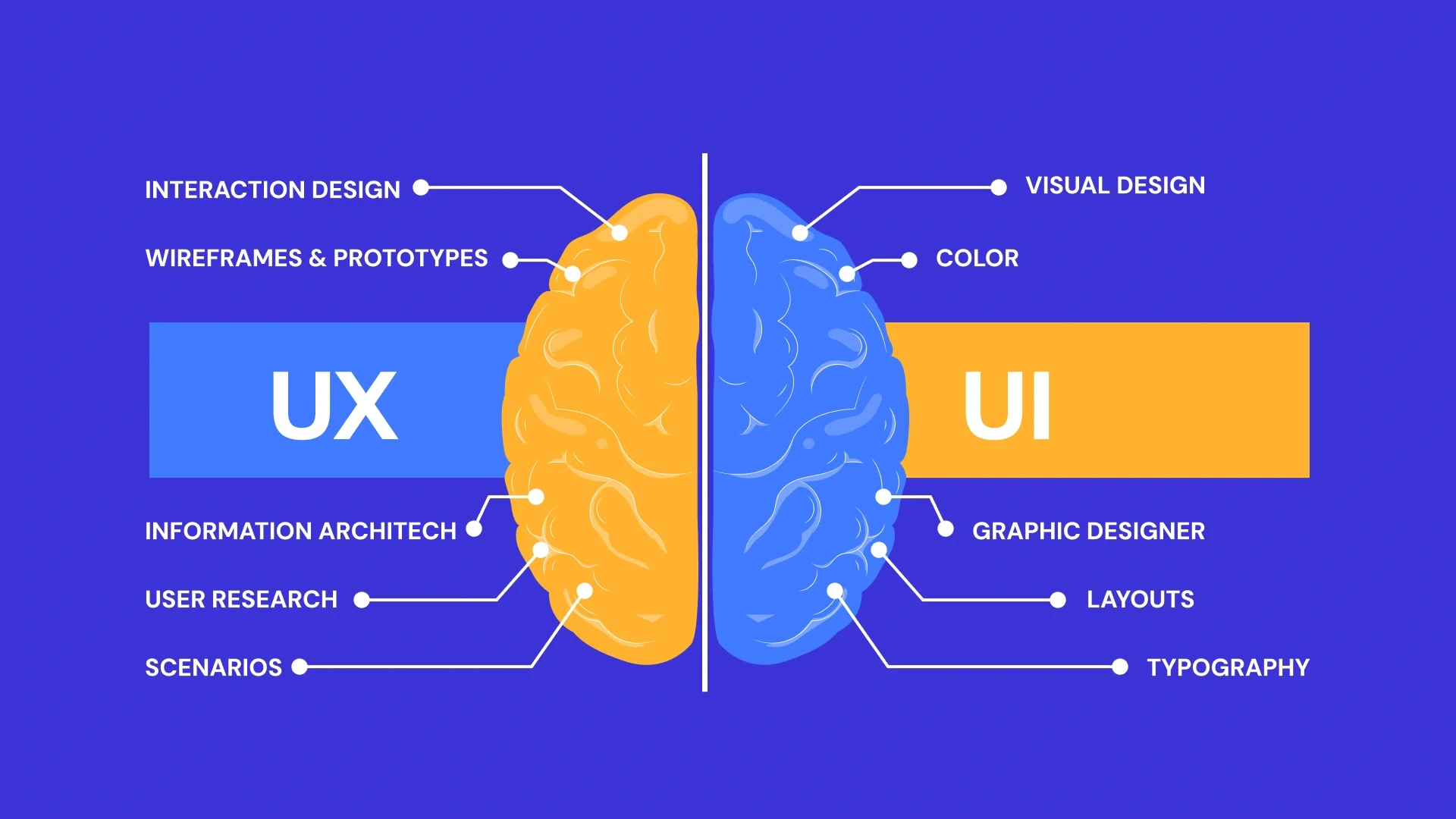
UI design focuses on the visual and interactive layer of a digital product. It defines how the interface appears on the screen and how users visually interact with it. This includes typography, color palettes, icons, spacing, buttons, grids, and overall layout structure.
A UI UX designer ensures visual consistency across pages and screens so the product feels polished and professional. UI design also considers brand identity, visual hierarchy, and accessibility to make interfaces clear and easy to scan.
Good user interface design improves clarity and reduces confusion. When UI is done well, users instantly understand what actions they can take and where to click next.
What Is UX Design?
UX design focuses on the overall user experience and how a product works from the user’s perspective. It involves understanding user needs through research, defining user journeys, building wireframes, and testing usability.
A UX designer works on structure, navigation, interaction logic, and content flow. UX design ensures users can complete tasks easily, without frustration or unnecessary steps. Activities like usability testing, user interviews, personas, and journey mapping are key parts of the UX process.
Strong user experience design improves satisfaction, retention, and trust. Even the most beautiful interface can fail if the UX is poor.
Why UX Design Goes Beyond Visual Design
A product can look visually impressive and still fail if users find it confusing or difficult to use. This is where UX design becomes critical. While UI design focuses on how an interface looks, user experience design focuses on how it works for real users.
A strong UI and UX design approach ensures that aesthetics support usability, not replace it. In successful digital products, UX leads the strategy and UI supports that strategy visually.
UX design focuses on more than appearance. It considers:
User goals and expectations
UX design starts by understanding what users want to achieve and how they think. A UX designer aligns the product flow with real user needs, not assumptions.Navigation and information structure
Clear menus, logical page hierarchy, and intuitive flows help users move through a website or app without confusion. Poor structure often leads to bad user experience.Content clarity and readability
UX design ensures content is easy to scan, understand, and act on. This includes text hierarchy, spacing, and placement, not just visual styling.Accessibility and usability
Good UX design makes products usable for everyone, including users with disabilities. Accessibility, contrast, keyboard navigation, and readable layouts are essential parts of user experience.Performance and response time
Speed directly affects user experience. Slow-loading pages or delayed interactions create frustration, even if the UI design looks good.
This is why UI and UX design are closely connected but not interchangeable. UI design enhances the visual interface, while UX design shapes the overall experience, usability, and satisfaction of the user.
Together, UX design and UI design create digital products that not only look good but also feel intuitive, efficient, and user-centered.
The Role of UX Research in User Experience Design
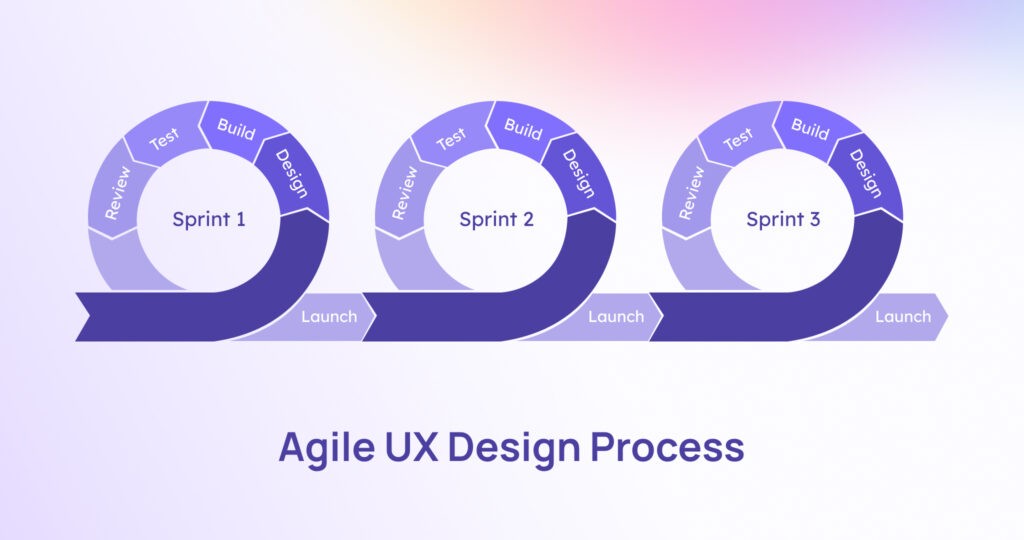
UX research is the foundation of effective user experience design. It focuses on understanding real users, their needs, behaviors, motivations, and pain points before design decisions are made. Without research, UX design relies on assumptions, which often leads to poor usability and bad user experience.
A UX researcher works closely with UI UX designers to ensure that every design choice is informed by real data. This approach helps teams create digital products that are intuitive, useful, and aligned with user expectations.
Why UX Research Matters
UX research helps designers understand how users actually interact with a website or application, not how designers think they should. It reveals usability issues early, reduces design risks, and improves overall UX design and UI design outcomes.
When research is part of the process, products become more user-centered, accessible, and effective. It also supports better decision-making by validating ideas with evidence rather than guesswork.
Common UX Research Methods
UX research uses a mix of qualitative and quantitative methods to gather insights. Common methods include:
User interviews
Direct conversations with users to understand goals, challenges, and expectations.Usability testing
Observing users as they interact with a product to identify friction points and usability issues.User personas
Creating detailed profiles that represent different user types and guide UX design decisions.Journey mapping
Visualizing the complete user journey to understand emotions, actions, and touchpoints across the experience.
These methods help UX designers identify what works, what doesn’t, and why.
UX Design in Websites and Applications
User experience design plays a critical role in how people interact with both websites and applications. While the platforms may differ, the goal of UX design remains the same: to create smooth, intuitive, and user-centered digital experiences that help users achieve their goals without confusion or friction.
Website User Experience Design
In websites, UX design focuses on helping users find information quickly, understand content easily, and take action with confidence. A well-planned website user experience design considers layout structure, navigation flow, content hierarchy, and accessibility.
Strong website user interface design works hand in hand with UX to guide users through pages naturally. Clear menus, readable typography, consistent spacing, and logical page structure improve usability and reduce bounce rates. When users can move through a website effortlessly, engagement increases and trust in the brand grows.
Good UX design for websites also supports usability testing, responsive layouts, fast loading times, and accessibility standards. These elements ensure the website performs well across devices and meets the expectations of modern users.
App User Experience
In applications, UX design goes deeper into interaction patterns, gestures, and user flow. A strong app user experience ensures users can complete tasks smoothly, whether they are signing up, navigating features, or performing repeated actions.
UX design in applications focuses on intuitive navigation, touch-friendly interactions, clear feedback, and consistent behavior across screens. A well-designed UX application feels natural to use, even for first-time users, reducing the learning curve and improving retention.
Mobile and web apps rely heavily on usability testing and UX research to understand how users interact in real-world scenarios. By aligning interface design with user behavior, UX designers create applications that are efficient, engaging, and enjoyable to use.
UX vs UI: Why Both Are Needed
UX and UI are often discussed together, but they serve different purposes in user experience design. The most successful digital products are built when UX design and UI design work in harmony. Ignoring either one can negatively affect usability, engagement, and overall product success.
UI Without UX
A visually attractive interface without strong UX design may look impressive at first, but users quickly feel frustrated if they cannot complete tasks easily. Poor navigation, unclear flows, and confusing interactions lead to bad UX, even if the UI design appears modern.
When UI is created without UX research:
Users struggle to understand how the product works
Important actions are hard to find
Bounce rates increase on websites
App retention drops quickly
This is a common mistake where teams focus only on user interface design without considering user goals and behavior.
UX Without UI
On the other hand, a product with strong UX logic but weak UI design feels outdated and unrefined. Even if the flow makes sense, poor visual hierarchy, typography, or spacing can reduce trust and usability.
Without good UI:
Content feels hard to scan
Interfaces look unprofessional
Users question product quality
Engagement and conversions suffer
UI design supports UX by improving clarity, readability, and emotional connection. A clean UI makes a user experience UX design feel intuitive and reliable.
UX Design Is About User-Centered Thinking
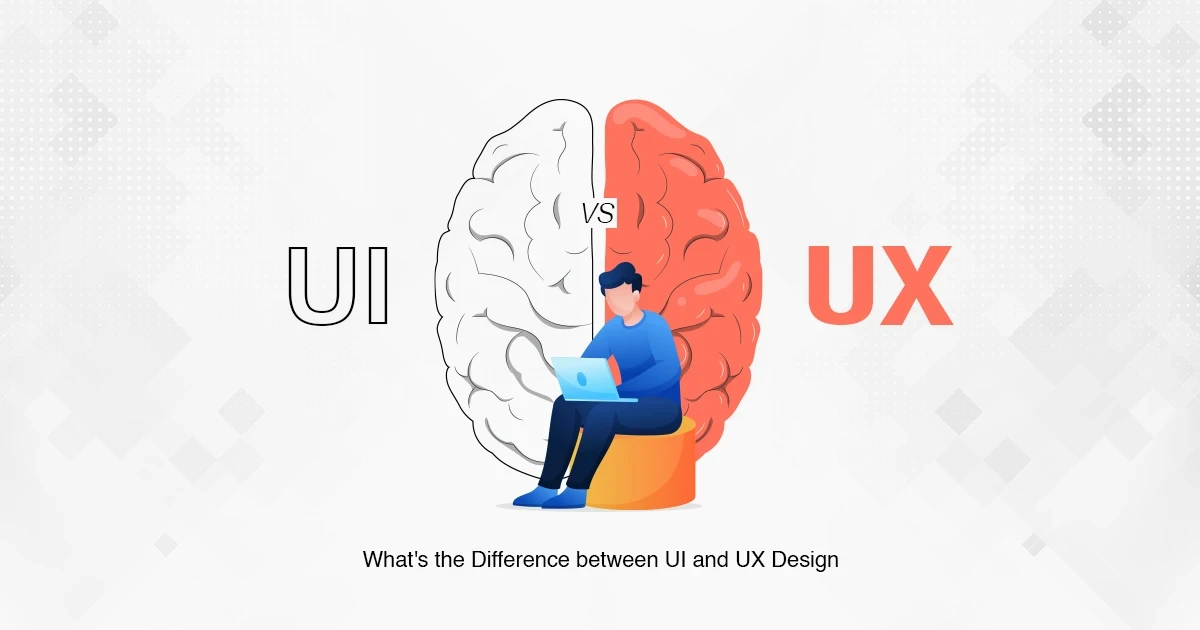
User experience design is rooted in user-centered thinking, which means every design decision starts with the user, not the interface. Instead of guessing what users want, UX design relies on research, empathy, and real-world behavior to shape digital products that feel intuitive and meaningful.
A user-centered design approach focuses on solving real problems. UX designers study how users interact with websites and applications, identify friction points, and design solutions that make tasks easier and more enjoyable. This approach ensures that products are built around human needs, not just visual trends or technical constraints.
UX designers place strong emphasis on:
User personas
User goals
Pain points
Emotional response
By understanding users at a deeper level, UX design improves usability, accessibility, and overall satisfaction. When users feel understood, they engage more, stay longer, and return more often.
This is why great UX design feels almost invisible. The interface doesn’t get in the way. Navigation feels natural. Actions feel effortless. Behind that simplicity is a thoughtful, user-driven design process focused on clarity, empathy, and purpose.
User-centered UX design transforms digital products from tools into experiences that feel human, helpful, and genuinely easy to use.
Why UX Design Impacts Business Success
UX design plays a direct role in how users perceive, trust, and interact with a digital product. A well-planned user experience design helps users complete tasks smoothly, find information quickly, and feel confident using a website or application. When users enjoy the experience, they are more likely to stay longer and take action.
Strong UX design improves key business metrics such as user engagement, conversions, and retention. Clear navigation, logical user flows, and simple interactions reduce friction and guide users toward goals like sign-ups, purchases, or inquiries. This makes the entire journey more efficient and satisfying.
Good UX also builds long-term brand trust. When a website or app feels intuitive and reliable, users associate those positive experiences with the brand itself. Over time, this trust leads to repeat visits, customer loyalty, and positive word of mouth.
On the other hand, a bad user experience can harm business growth. Slow loading times, confusing layouts, or poor usability frustrate users and push them away, even if the UI design looks visually appealing. This results in higher bounce rates and lost opportunities.
That’s why modern businesses invest in UX design and UI design together. UX defines how a product works and feels, while UI supports it visually. When both work in harmony, businesses can deliver digital experiences that not only look good but also perform well and drive real results.
Final Thoughts
User experience design is far more than visual design. While UI defines how a product looks, UX defines how it works, feels, and supports users. Together, they create meaningful digital experiences.
To build successful products, designers must think beyond screens and focus on people. That’s the true power of user experience design.
Frequently Asked
Questions
1. What is the difference between UI design and UX design?
2. Why is UX design more important than visual design alone?
3. Can a website have good UI but poor UX?
4. How does UX design improve business performance?
5. Why should businesses invest in both UX and UI design?
Table of contents
Recent


