

ALL BLOG POSTS
/
UI Design
Why User Interface and User Experience Design Matter More Than Ever

Stefan Ivic
Author
In today’s digital world, users expect every website, app, and digital product to work beautifully and feel effortless to use. That’s where user interface and user experience design come together. While UI design shapes how something looks, UX design focuses on how it works. When both areas connect, brands create digital experiences that feel clear, useful, and human.
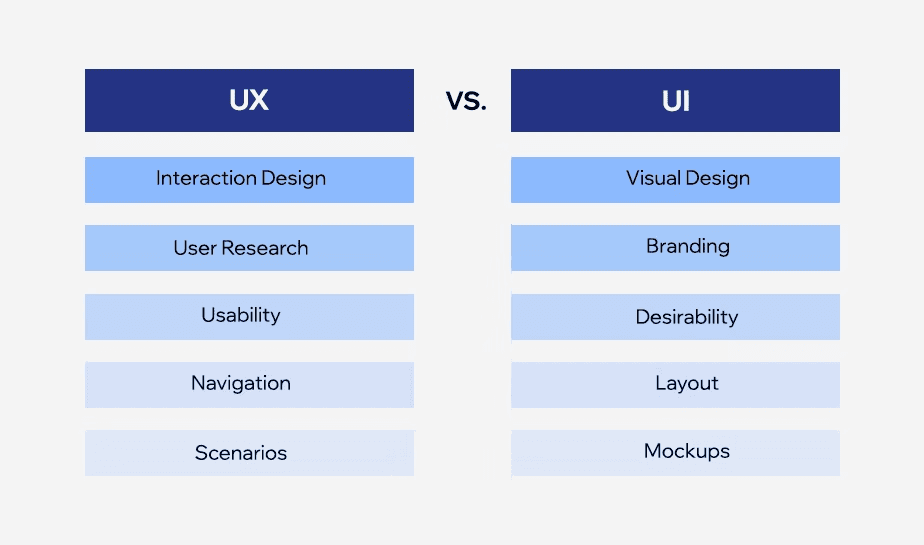
Understanding UI and UX: What’s the Difference?
What Is UI Design?
User interface design deals with the visual layer: colors, typography, layout, icons, buttons, spacing, and style. A skilled UI UX designer creates an interface that is modern, consistent, and visually engaging across devices. Tools like Figma, Adobe XD, and Adobe Experience Design help designers bring these visuals to life.
What Is UX Design?
User experience design, or UX design, focuses on flow, structure, and usability. UX answers one key question: can users navigate, understand, and complete tasks easily? A strong UX interface design blends logic, research, and structure so every interaction feels simple and intuitive.
Together, UI and UX create meaningful user interface and user experience design systems that support real-world goals.
Why UX Design Matters More Than Ever
A website can look beautiful and still fail if users struggle to use it. That’s why UX design now plays a critical role in web design and development. A strong user experience UX design ensures users can find information quickly, understand content clearly, and complete actions without confusion or frustration. When UX works well, users feel supported rather than overwhelmed.
Modern websites need clean structure, clear hierarchy, simple navigation, accessibility, and responsive design. These UX foundations help improve time on page, engagement, and overall trust. Today, businesses invest in UX design and UI design because brand value, user loyalty, and conversions all depend on how intuitive a website feels. A great interface is only successful when the experience behind it truly works for real users.
User Experience Design in Website Development
In website development, UX ensures the site supports real user goals, not just aesthetics. A clear website layout, structured content, and responsive design help improve engagement, retention, and conversions. Good website user interface design focuses on how people think and behave online, not just how a page looks.
Strong UX design includes:
Logically structured pages and sections
Simple navigation menus
Clear information hierarchy
Fast loading performance
Mobile-friendly responsive layouts
This improves SEO website design, reduces bounce rate, and boosts overall performance. Search engines value great UX because it improves user satisfaction — meaning good UX helps rankings too.
Whether users search for web designers near me, website development company, or website design services, they expect a website that loads quickly, works smoothly, and guides them clearly to what they need. A strong UX design and UI design approach delivers exactly that — making modern websites more human, more helpful, and more valuable.
Responsive Web Design and UX
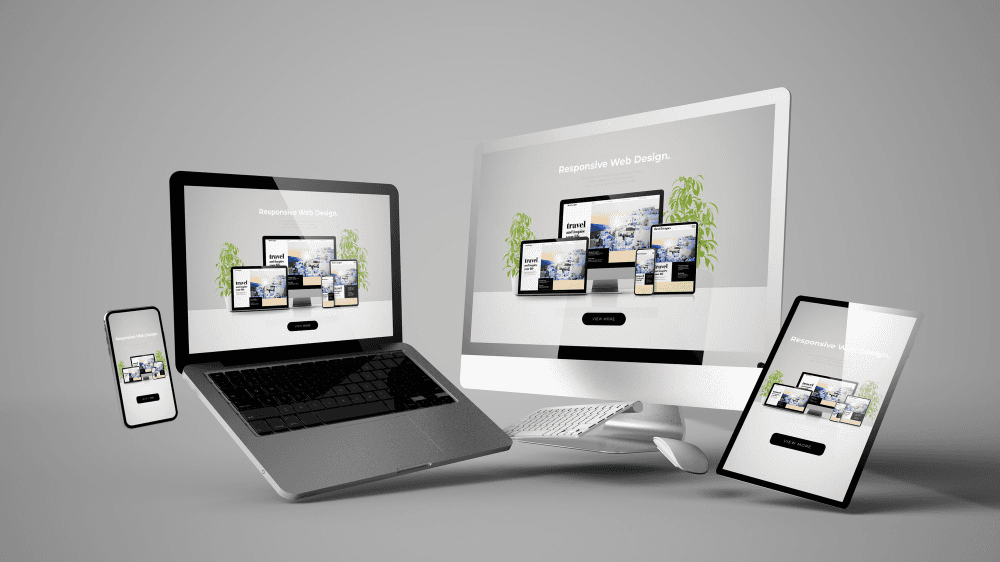
Responsive web design is now a core part of UX design and website development. Modern users switch constantly between smartphones, tablets, laptops, and large screens. Your website needs to adapt smoothly to each device so the experience feels natural and consistent everywhere.
A responsive page adjusts typography, spacing, images, and layout dynamically. This means users don’t need to zoom in, pinch, scroll sideways, or fight with the interface. Good responsive design supports the full UI UX experience, not just visuals.
Mobile-first UX design improves:
Readability and content flow
Button and tap-target accessibility
Navigation clarity
Conversion performance
Strong responsive design also supports SEO website design. Search engines reward websites that load fast, are mobile-friendly, and deliver smooth interaction. When users enjoy the experience, they stay longer, explore deeper, and engage more with the brand.
For businesses working with a web design agency, web development company, or UI UX designer, responsive web design is not optional. It’s a key part of creating high-performing website design and development that supports real-world users and long-term growth.
UX Research: The Foundation of Great Design
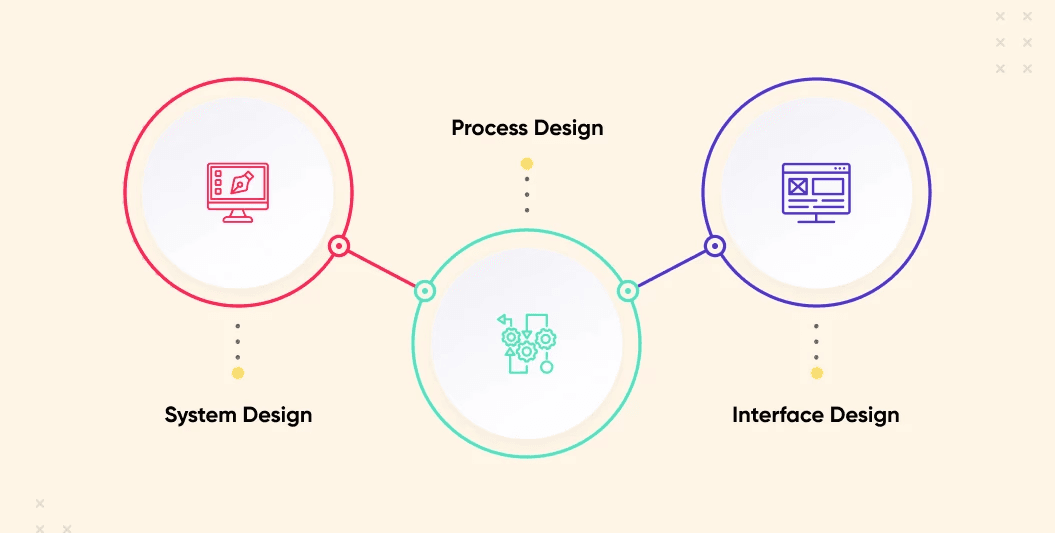
Behind every great interface is research. A UX researcher analyzes how real users interact with a product. Techniques like usability testing, journey mapping, personas, and behavior research guide better design choices.
This allows designers to build solutions based on real behavior, not assumptions. That’s why user experience researchers, UI designers, and product teams work closely together to refine every detail
Why UI UX Design Impacts Business Success
Strong UI UX design directly shapes how users think, feel, and behave on a website. A well-planned Artonest website design and development strategy builds trust, reduces friction, and guides users toward meaningful actions such as sign-ups, inquiries, or purchases. When user experience design is clear and intuitive, visitors stay longer, explore more pages, and are more likely to convert into loyal customers.
Good web design and web development also supports brand perception. A professional user interface design communicates reliability, while UX design ensures every interaction feels effortless. This combination improves engagement, lowers bounce rates, and increases the lifetime value of each user. Search engines recognize these signals, which strengthens SEO website design and overall visibility.
On the other hand, poor UX creates confusion and frustration. Slow performance, unclear navigation, or cluttered layouts can quickly lead to bad user experience, abandoned sessions, and lost revenue. Even minor usability issues affect trust and brand credibility.
Businesses that invest in UI and UX design see measurable results in:
Customer loyalty and satisfaction
Lead generation and sales performance
E-commerce conversion rates
Digital transformation success
This is why modern brands increasingly partner with expert web design agencies and web development companies. With the right UX design UI design strategy, your website becomes more than a digital presence—it becomes a powerful growth engine for your business.
Design and Development: Working Together
A website can look beautiful and still fail if users struggle to use it. That’s why UX design plays a critical role in web design and development today. Good user experience UX design ensures visitors can find information quickly, understand content clearly, and complete actions without confusion. When users feel comfortable on a website, they stay longer, explore more pages, and build trust with the brand.
Modern website design must focus on clean structure, clear content hierarchy, simple navigation, accessibility, and responsive design. Without these UX principles, even the best-looking UI design cannot succeed. Today’s businesses invest in UX design and UI design because engagement, brand credibility, and conversions depend on how users experience the website, not just how it looks.
Final Thoughts: UI UX Design Matters More Than Ever
In a world where competition is only a click away, user interface and user experience design define whether users stay, engage, and trust your brand.
When UI UX, web design, website development, and usability testing come together, the result is not just a website—but a complete digital experience that supports people and business growth.
Frequently Asked
Questions
1. What is the difference between UI design and UX design?
2. Why is user experience design important for websites today?
3. How does UI design affect first impressions?
4. Does UI and UX design impact SEO performance?
5. Why should businesses invest in UI UX design services?
Recent


