

ALL BLOG POSTS
/
UX Design
Why UX Research Matters in Modern Website Design

Stefan Ivic
Author
User experience (UX) research is the foundation of effective website design. It helps businesses understand how real users think, behave, and interact with digital products, allowing designers to create websites that are intuitive, accessible, and easy to use. Rather than relying on assumptions, UX research provides valuable insights that improve usability, increase engagement, and support better business outcomes. In this guide, we'll explore why UX research matters in modern website design, how it influences design decisions, and the role it plays in creating user-centered digital experiences. You'll also learn how UX research helps improve conversions, customer satisfaction, and long-term business growth.
What Is UX Research in Modern Website Design?
UX research is the process of understanding how people interact with a website before, during, and after the design process. It helps designers identify user needs, behaviors, goals, and pain points through research methods such as user interviews, surveys, usability testing, heatmaps, analytics, and customer feedback.
The primary goal of UX research is to create websites that are intuitive, accessible, and easy to use. Instead of making design decisions based on assumptions, UX research provides real user insights that help improve navigation, content structure, user flows, and overall website performance. This leads to better usability, higher engagement, and improved conversion rates.
At Artonest Design Studio, UX research is a core part of our UI/UX Design process. We combine user research, information architecture, wireframing, prototyping, and usability testing to design websites and digital products that solve real user problems while supporting business objectives.
Without UX research, businesses risk creating confusing layouts, poor navigation, and frustrating user experiences that increase bounce rates and reduce customer satisfaction. By understanding what users expect, where they struggle, and what motivates them to take action, designers can create digital experiences that feel natural, efficient, and enjoyable.

Why UX Research Matters More Than Ever
Today's websites compete for attention in just a few seconds. Visitors expect fast-loading pages, intuitive navigation, clear content, and seamless experiences across every device. If a website is confusing, slow, or difficult to use, users are likely to leave and choose a competitor instead. UX research helps businesses understand these expectations and design websites that meet real user needs rather than relying on assumptions.
At Artonest Design Studio, UX research is a key part of our UI/UX Design process. Through user interviews, usability testing, analytics, and information architecture, we uncover valuable insights that guide design decisions and improve the overall user experience.
Modern users expect websites to provide:
Simple and intuitive navigation
Fast access to relevant information
Clean, accessible, and visually engaging interfaces
Clear calls to action that guide users naturally
Responsive experiences across desktop, tablet, and mobile devices
By understanding how users think, behave, and interact with a website, businesses can create digital experiences that improve engagement, increase conversions, reduce bounce rates, and strengthen customer trust. UX research ensures every design decision is based on real user behavior, helping websites perform better for both visitors and businesses.
The Direct Impact of UX Research on Website Performance
UX research plays a vital role in improving website performance by helping businesses understand how users interact with their digital products. Instead of relying on assumptions, designers use real user insights to create experiences that are intuitive, engaging, and conversion-focused. The result is a website that not only looks professional but also performs better across key business metrics.
At Artonest Design Studio, UX research is an essential part of our UI/UX Design, UX Audit, and Web Design process. Through user interviews, usability testing, analytics, and information architecture, we identify opportunities to improve website performance and create experiences that support both user needs and business goals.
1. Better User Engagement
When visitors can easily navigate a website and find the information they need, they are more likely to stay engaged. UX research identifies the design patterns and content structures that encourage users to continue exploring.
Research helps improve engagement by creating:
Easy-to-scan page layouts
Clear typography and visual hierarchy
Logical navigation menus
Friction-free user journeys
Well-placed calls to action
These improvements encourage visitors to spend more time on the website, explore additional pages, and interact with your content.
2. Higher Conversion Rates
UX research helps businesses understand what prevents users from completing important actions, such as submitting a contact form, requesting a quote, or completing a purchase. By identifying friction points, designers can simplify user journeys and improve conversion-focused pages.
Common areas improved through UX research include:
Product pages
Checkout experiences
Even small usability improvements, such as reducing unnecessary form fields or improving button placement, can significantly increase conversions and customer satisfaction.
3. Improved Website Usability
Usability is one of the most important outcomes of UX research. A website that is easy to use allows visitors to complete tasks quickly without confusion or frustration.
UX research helps identify issues such as:
Buttons that are difficult to find
Forms that require unnecessary steps
Confusing navigation menus
Poor mobile experiences
Visual elements that distract users
Addressing these issues creates a smoother, more accessible experience across desktop, tablet, and mobile devices.
4. Stronger Information Architecture
A successful website depends on more than attractive visuals. Information architecture ensures that content is organized in a way that matches how users naturally think and search for information.
UX research helps designers:
Organize content logically
Prioritize information based on user needs
Simplify website navigation
Reduce unnecessary pages and complexity
Improve readability and content discoverability
At Artonest Design Studio, we combine Information Architecture, Wireframing, and UX Research to create websites that are intuitive, scalable, and easy to navigate. A well-structured website helps users find information faster, improves search engine optimization, and creates a better overall digital experience.

How UX Research Works in a Modern Design Workflow
UX research is integrated into every stage of the modern website design process. Rather than relying on assumptions, designers use real user insights to guide decisions from initial planning to post-launch optimization. This approach helps create websites that are intuitive, user-friendly, and aligned with business objectives.
At Artonest Design Studio, UX research is a core part of our UI/UX Design, UX Audit, Information Architecture, and Web Design services. By understanding user behavior early in the project, we design digital experiences that improve usability, increase engagement, and support long-term business growth.
1. Discovering User Needs
Every successful website begins with understanding its audience. UX research identifies user goals, behaviors, challenges, and expectations before any design decisions are made. These insights help create solutions that address real user problems instead of relying on assumptions.
Common research methods include:
User interviews
Online surveys
Competitor analysis
Industry benchmarking
User personas
This research provides designers with a clear understanding of who they are designing for and what users expect from the experience.
2. Mapping the Customer Journey
After gathering user insights, designers map the customer journey to understand how visitors interact with the website from their first visit to completing a desired action.
A customer journey map highlights:
User touchpoints
Pain points
User motivations
Decision-making moments
Key actions users want to complete
These findings guide website structure, navigation, content hierarchy, and call-to-action placement, making the overall experience more intuitive.
3. UX Testing During Design
Testing designs before development helps identify usability issues early, reducing costly revisions later. Interactive prototypes allow designers to observe how users complete tasks and where they experience confusion.
Common testing methods include:
Click testing
Interactive prototype reviews
A/B testing
Heatmap analysis
Task-based usability testing
These insights ensure the final design is intuitive, accessible, and easy to use across desktop and mobile devices.
4. Continuous Improvement After Launch
UX research doesn't end when a website goes live. User behavior changes over time, making ongoing analysis essential for maintaining a successful digital experience.
Post-launch UX research includes:
Website analytics
User feedback
Session recordings
Heatmaps
Conversion analysis
At Artonest Design Studio, we continuously evaluate user behavior to identify opportunities for improvement. This ongoing optimization helps businesses refine their websites, improve user satisfaction, and increase engagement based on real-world data.
Real Examples: How UX Research Improves Websites
The value of UX research becomes clear when real user insights lead to meaningful design improvements. At Artonest Design Studio, we use UX research, usability testing, and user behavior analysis to identify friction points before development begins, helping businesses create websites that are easier to use and more effective.
Example 1: Improving the Conversion Journey
Challenge: Users started the sign-up process but abandoned the form before completing it.
UX Research Insight: User testing revealed that the form contained too many required fields, making the process feel time-consuming and overwhelming.
Solution: Simplify the form by removing unnecessary fields, improving the layout, and creating a clearer visual hierarchy.
Outcome: A smoother registration experience that reduced friction, encouraged more users to complete the sign-up process, and improved overall user satisfaction.
Example 2: Creating Clearer Website Navigation
Challenge: Visitors struggled to find important pages, resulting in low engagement and unnecessary page exits.
UX Research Insight: Heatmaps and usability testing showed that users rarely interacted with the primary navigation because menu labels were unclear and the structure was overly complex.
Solution: Reorganize the navigation, simplify menu categories, and prioritize the pages users accessed most frequently.
Outcome: Visitors could find information more quickly, explore additional pages with confidence, and enjoy a more intuitive browsing experience.
Example 3: Enhancing Mobile Usability
Challenge: Mobile users found it difficult to interact with small buttons and crowded page layouts.
UX Research Insight: Mobile usability testing highlighted touch-target issues, inconsistent spacing, and navigation challenges on smaller screens.
Solution: Increase button sizes, improve spacing, simplify navigation, and optimize layouts for mobile devices.
Outcome: A more accessible and user-friendly mobile experience that made it easier for visitors to complete tasks and engage with the website across all devices.
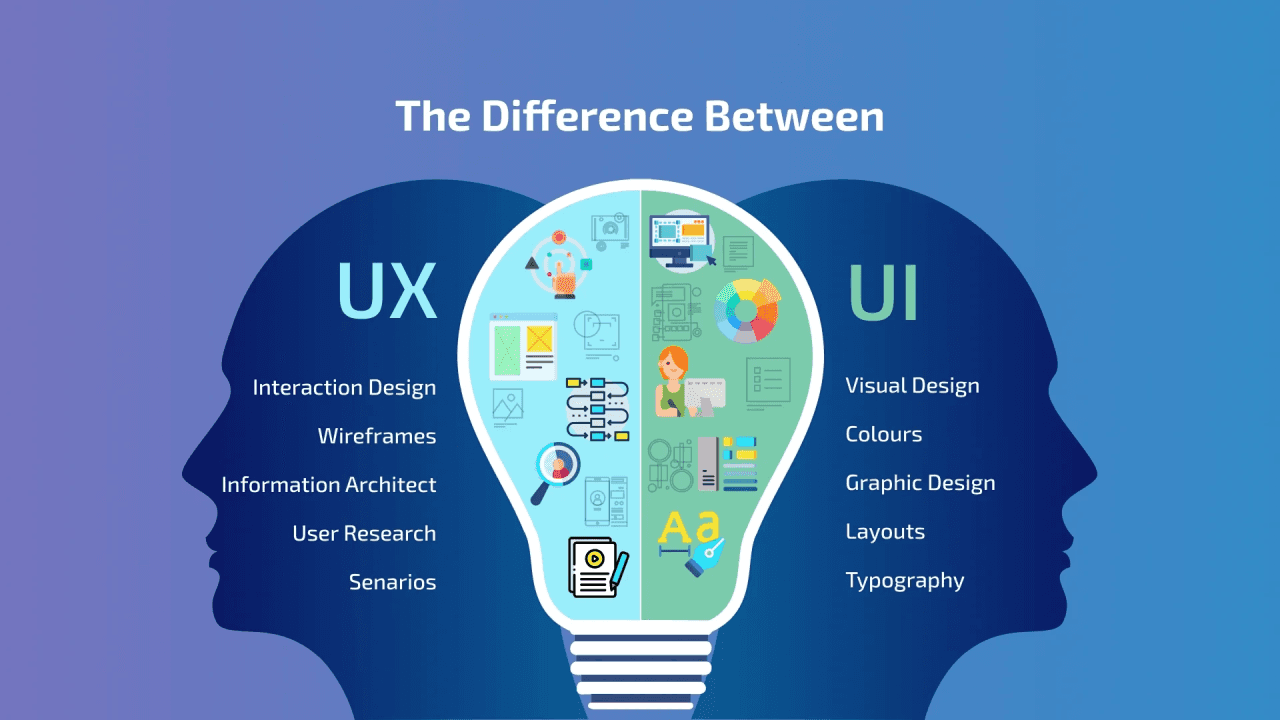
Benefits of UX Research for Brands and Businesses
UX research delivers far more than visual improvements. It helps businesses understand how real users think, behave, and interact with their websites, allowing design decisions to be based on evidence rather than assumptions. By identifying user needs early, companies can create intuitive digital experiences that improve usability, strengthen customer trust, and support long-term business growth.
At Artonest Design Studio, UX research is a key part of our UI/UX Design, UX Audit, and Web Design process. We use research-driven insights to help businesses build websites that are user-focused, conversion-oriented, and aligned with both customer expectations and business goals.
1. Reduces Development Costs
Fixing usability issues during the planning and design stages is significantly more efficient than redesigning a website after launch. UX research helps teams identify potential problems early, reducing unnecessary revisions, development delays, and project costs.
Key benefits include:
Fewer design revisions
Faster development cycles
More efficient project planning
Better use of time and budget
By understanding user expectations from the beginning, businesses can make informed decisions that reduce risk and improve project outcomes.
2. Builds Trust and Brand Credibility
Visitors quickly form opinions about a business based on their website experience. A clean, intuitive, and well-organized website creates a positive first impression and encourages users to engage with your content.
UX research helps businesses understand what users expect from a trustworthy website by improving:
Navigation clarity
Content organization
Readability
Accessibility
Overall user experience
When users can easily find information and complete tasks without frustration, they are more likely to trust your brand and return in the future.
3. Supports Better SEO Performance
A positive user experience contributes to stronger website performance. UX research helps improve website usability, making it easier for visitors to navigate content, interact with pages, and complete important actions.
Research-driven improvements often lead to:
Lower bounce rates
Longer user engagement
Better content discoverability
Improved navigation
Higher conversion opportunities
By creating websites that are useful, accessible, and easy to navigate, businesses improve the overall experience for users while supporting long-term search visibility.
4. Enables Data-Driven Decision Making
Successful digital products are built on evidence, not assumptions. UX research provides measurable insights into user behavior, allowing businesses to prioritize improvements based on real customer needs.
Research helps teams make informed decisions through:
User interviews
Website analytics
Usability testing
Heatmaps
Customer feedback
At Artonest Design Studio, we combine UX research with Information Architecture, Wireframing, and Usability Testing to create websites that solve real user problems and deliver measurable business value.
Why UX Research Is Essential for Modern Website Design
Modern websites are more than digital brochures. They are often the first interaction customers have with a business, making user experience a critical factor in building trust, increasing engagement, and driving conversions. UX research ensures every design decision is based on real user needs, helping businesses create websites that are intuitive, accessible, and aligned with customer expectations.
At Artonest Design Studio, UX research is a fundamental part of our UI/UX Design, UX Audit, and Web Design process. We analyze user behavior, business goals, and industry best practices to create websites that are both visually appealing and easy to use.
UX research helps answer important questions such as:
What information do users look for first?
What prevents visitors from completing a purchase or enquiry?
Which content is most valuable to the target audience?
How should navigation and page layouts be organized?
Where do users experience confusion or frustration?
The answers to these questions guide every stage of the design process, from information architecture and wireframing to usability testing and final interface design. By understanding how people interact with a website, businesses can reduce friction, improve customer satisfaction, and create digital experiences that encourage visitors to take action.
Rather than relying on assumptions, UX research provides evidence-based insights that lead to better engagement, stronger brand credibility, improved conversion rates, and long-term business growth.
Best Practices for Using UX Research in Web Design
Successful websites are built on a deep understanding of user needs rather than assumptions. Following UX research best practices helps businesses create intuitive, accessible, and high-performing digital experiences that improve customer satisfaction and support long-term business growth.
At Artonest Design Studio, UX research is integrated into every UI/UX Design, UX Audit, and Web Design project. By combining user insights with data-driven design decisions, we create websites that are easier to use, more engaging, and aligned with business objectives.
1. Start Research Early
The most valuable UX research begins before wireframes or visual design. During the discovery phase, designers identify business goals, target audiences, user expectations, and potential usability challenges. Starting early allows teams to make informed decisions before development begins, reducing costly revisions later.
Early UX research helps businesses:
Understand user needs and expectations
Identify common pain points
Define user goals
Create a stronger project strategy
Reduce unnecessary redesigns
A solid research foundation leads to a more efficient design process and better project outcomes.
2. Combine Qualitative and Quantitative Research
The most effective UX research combines qualitative insights with quantitative data. User interviews, surveys, and usability testing explain why people behave the way they do, while analytics, heatmaps, and conversion data reveal how users actually interact with a website.
Combining both research methods helps teams:
Validate design decisions
Identify usability patterns
Understand user motivations
Prioritize improvements based on evidence
This balanced approach leads to more confident, data-driven design decisions.
3. Test Prototypes Before Development
Interactive prototypes allow designers to validate ideas before investing in development. Testing early helps uncover usability issues, navigation problems, and confusing user flows while changes are still quick and cost-effective.
Prototype testing can include:
Click testing
Interactive prototype reviews
Task-based usability testing
A/B testing
User feedback sessions
At Artonest Design Studio, prototype testing helps us refine user journeys and ensure every interaction feels intuitive before development begins.
4. Prioritize Mobile User Experience
With most users accessing websites from smartphones and tablets, mobile usability is essential. UX research helps businesses understand how users navigate content on smaller screens and identifies opportunities to improve accessibility and performance.
Key areas to evaluate include:
Mobile navigation
Touch-friendly buttons
Readability and typography
Page loading speed
Responsive layouts
Designing with a mobile-first mindset creates a more consistent experience across all devices.
5. Continuously Measure and Improve
UX research is an ongoing process, not a one-time activity. User expectations, technology, and business goals continue to evolve, making regular evaluation essential for maintaining a successful website.
Continuous UX improvement includes:
Website analytics
User feedback
Session recordings
Heatmap analysis
Conversion tracking
Periodic usability testing
By reviewing user behavior regularly, businesses can identify new opportunities, solve emerging usability issues, and continually improve the digital experience.
At Artonest Design Studio, we believe that the best digital products are never truly finished. Continuous UX research helps businesses adapt to changing user needs, improve website performance, and deliver experiences that remain relevant over time.
Frequently Asked
Questions
1. How does UX research help designers make better decisions?
2. What happens if a website skips UX research?
3. Does UX research improve the customer experience?
4. Can UX research increase business conversions?
5. How often should UX research be done on a website?
Table of contents
Recent


